Before Anyone Called It a Legacy
Long before I understood Labor Day as a national holiday, I understood labor.
I knew it in the sound of morning beginning before I was quite ready to wake. I knew it in work clothes that were never intended to make a fashion statement, in boots that carried yesterday’s dirt into another day, and in hands that seemed always to know what needed doing next. On the ranch where I grew up, work was not something we discussed very often. It was simply woven into the rhythm of life.
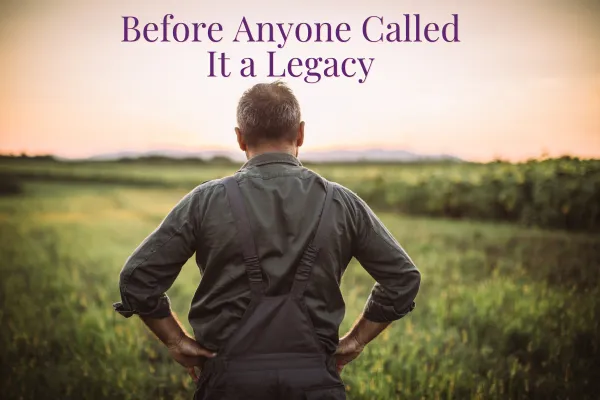
Papa worked the land because the land needed tending. There were fences that would not mend themselves, animals that needed feeding whether anyone felt like getting up or not, gardens that did not care about schedules, and Arkansas soil that could make a person earn every good thing it finally surrendered. There were seasons when the work was satisfying and seasons when it was simply hard. Either way, morning came, and somebody got up to meet it.
I think about those days differently now.
Labor Day was established to honor the contributions American workers made to the strength and prosperity of this country. The holiday grew from the labor movement of the late nineteenth century and eventually became a federal holiday in 1894. Yet the older I become, the more I realize that America's labor story is not only found in factories, railroads, city streets, and union halls. It is also written across farms, ranches, family businesses, schoolhouses, kitchens, workshops, and small communities where ordinary people spent their lives doing work most of the world would never see.
Frost Lane was one of those places.
No reporter came down our road to write about a man working behind a horse and plow. Nobody thought to photograph the hands that repaired a fence or the woman who stretched a meal far enough to feed everyone who might find a seat at the table. No one called it leadership when an elder taught a child that tools were to be put back where they belonged, animals were to be cared for before your own comfort, and your word should mean something when you gave it.
They certainly did not call it legacy.
But that is exactly what it was.
I sometimes think we have made legacy sound too polished. We imagine formal documents, family trusts, engraved buildings, books, foundations, or carefully prepared words meant to survive us. Those things can certainly become part of a legacy. Yet some of the most powerful inheritance we receive comes from watching how somebody lived on an ordinary Tuesday.
I learned that work could be an expression of love long before I had language for it. When Papa cared for the land, he was not only tending acreage. He was protecting something that had been entrusted to him. When food was planted, harvested, preserved, and shared, it was not simply a household task. It was part of the way one generation kept the next generation safe.
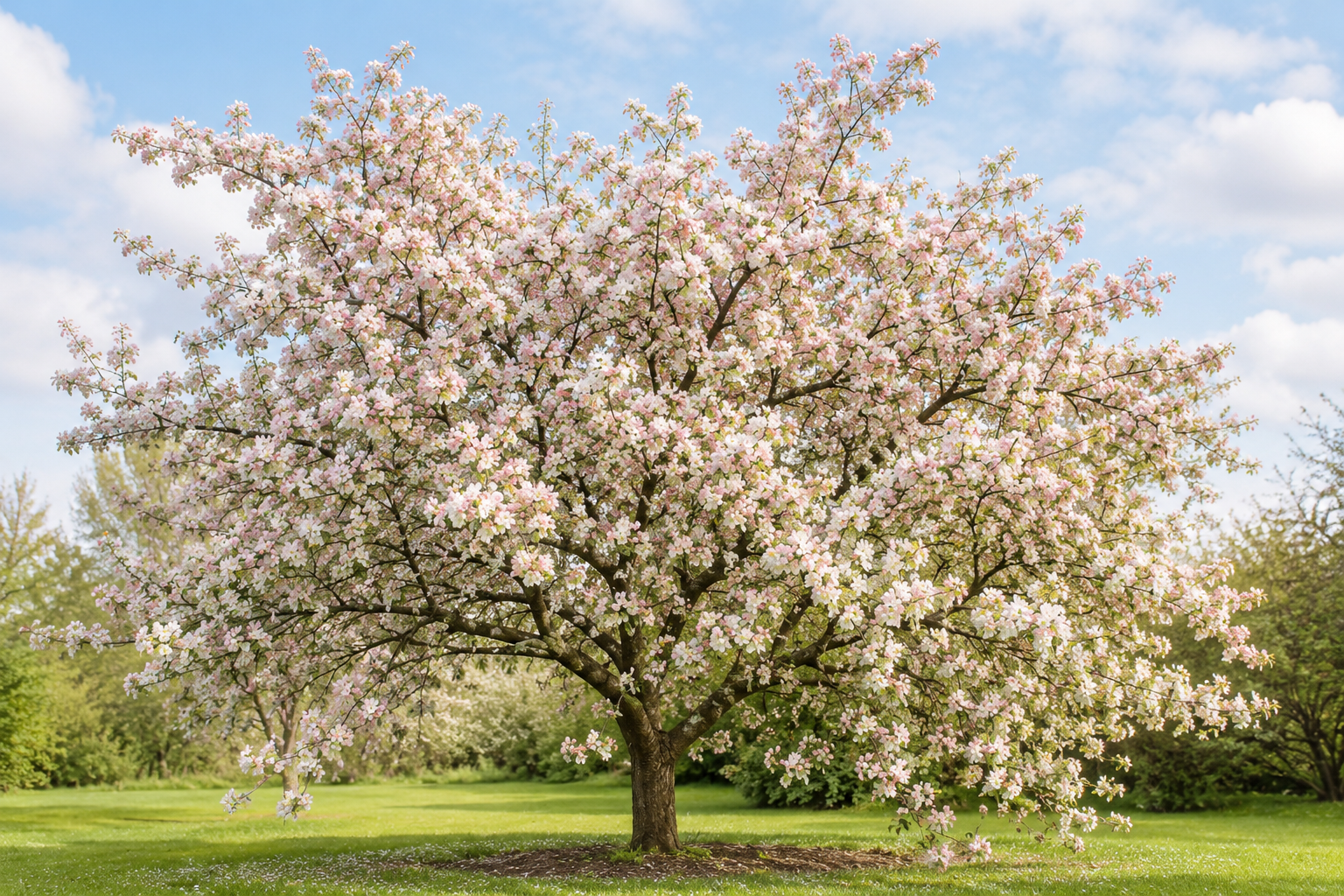
Even the old apple tree carried a lesson. Somebody planted it knowing that fruit does not appear the afternoon the seed goes into the ground. Someone had to believe in a harvest that belonged to the future.
That may be one of the most American things I know.
Our country was built by people willing to do work whose full reward they might never see. They cleared land, opened schools, started businesses, built roads, raised children, served communities, and sacrificed so someone coming behind them might have a little more opportunity than they did.
That is why Labor Day feels different to me now. It is not merely an extra Monday. It is an invitation to remember the people whose labor became the ground beneath our own lives.
As I look back down Frost Lane, I do not remember anyone talking very much about success. I remember people talking about responsibility. You tended what had been placed in your care. You did your share. You helped your neighbor. You finished what you started. You respected the land. And when the day was done, you were grateful for what had been accomplished and prepared to begin again tomorrow.
Those lessons traveled much farther than Frost Lane.
“Papa never announced that he was teaching me about legacy. He simply lived in such a way that, all these years later, I am still learning from him.”
They followed me into classrooms, businesses, leadership, family, and now into this season when I find myself thinking so often about what we leave behind.
Papa never sat me down and announced that he was teaching me about legacy. He simply lived in such a way that, all these years later, I am still learning from him.
Sometimes that is how the greatest American legacies are built.
Not with speeches.
But with a day's work faithfully done, again and again, until somebody coming behind you realizes you were showing them how to live.