
Do Not Wait for Perfect Conditions to Tell Your Story
There is a dangerous little belief many of us carry into the later chapters of life. We tell ourselves we will begin when everything settles down, when the house is organized, when work is less demanding, when the grandchildren are older, when the photographs are sorted, when we know exactly how to begin, or when life finally gives us enough uninterrupted time to sit down and tell our story properly. In other words, we are waiting for perfect conditions.
London reminded me once again that perfect conditions are mostly imaginary. I had prepared carefully for my trip. This was not simply a vacation. I was stepping onto an international stage carrying a message that mattered deeply to me, and I had selected my clothes, jewelry, makeup, and everything I believed would help me appear polished and prepared.
Then my luggage did not arrive with me.
Suddenly, perfection had left the building.
I could either spend my precious time in London grieving the outfits hanging somewhere inside a missing suitcase, or I could begin living the experience that was actually in front of me. So, I borrowed what I needed, accepted the help that was offered, and went on.
That sounds simple when written in one sentence, but living it requires something more. It requires surrendering the picture in our heads so we can receive the life standing in front of us. That, I believe, is one of the great challenges of finishing well.
We reach a certain age carrying a lifetime of expectations. We thought certain relationships would look different. We thought certain dreams would have happened by now. We expected some people to still be sitting beside us. We imagined our bodies would cooperate a little more enthusiastically. We pictured retirement, family, friendship, success, or aging differently.
Then life hands us borrowed clothes.

The question becomes:
Will I refuse to live because this is not what I packed?
I hope not, because some of the richest portions of our Golden Chapter will come from things we never planned.
There is another reason I refuse to wait for perfect conditions. Legacy has a clock. That is not meant to frighten us. It is meant to awaken us.
Every person who has lost someone knows there are questions we meant to ask. What was your first job? How did you know you loved her? What frightened you when you were young? Why did our family move? Who taught you that recipe? What did Papa say when nobody else was around? What did you pray when life became unbearable?
We believe there will always be another Sunday dinner, another holiday, another phone call, another afternoon. Until there isn't.
That was the deeper meaning behind my London presentation, Poking the Bear. Sometimes we need to be awakened before urgency becomes regret.
During the presentation, I asked members of the audience to turn to the person sitting beside them and give them a gentle poke. It brought laughter, movement, and life into the room, but beneath the humor was a serious invitation: wake up. Tell it now. Write it now. Ask now. Forgive now. Explain now. Love now. Do not save your most important living for someday.
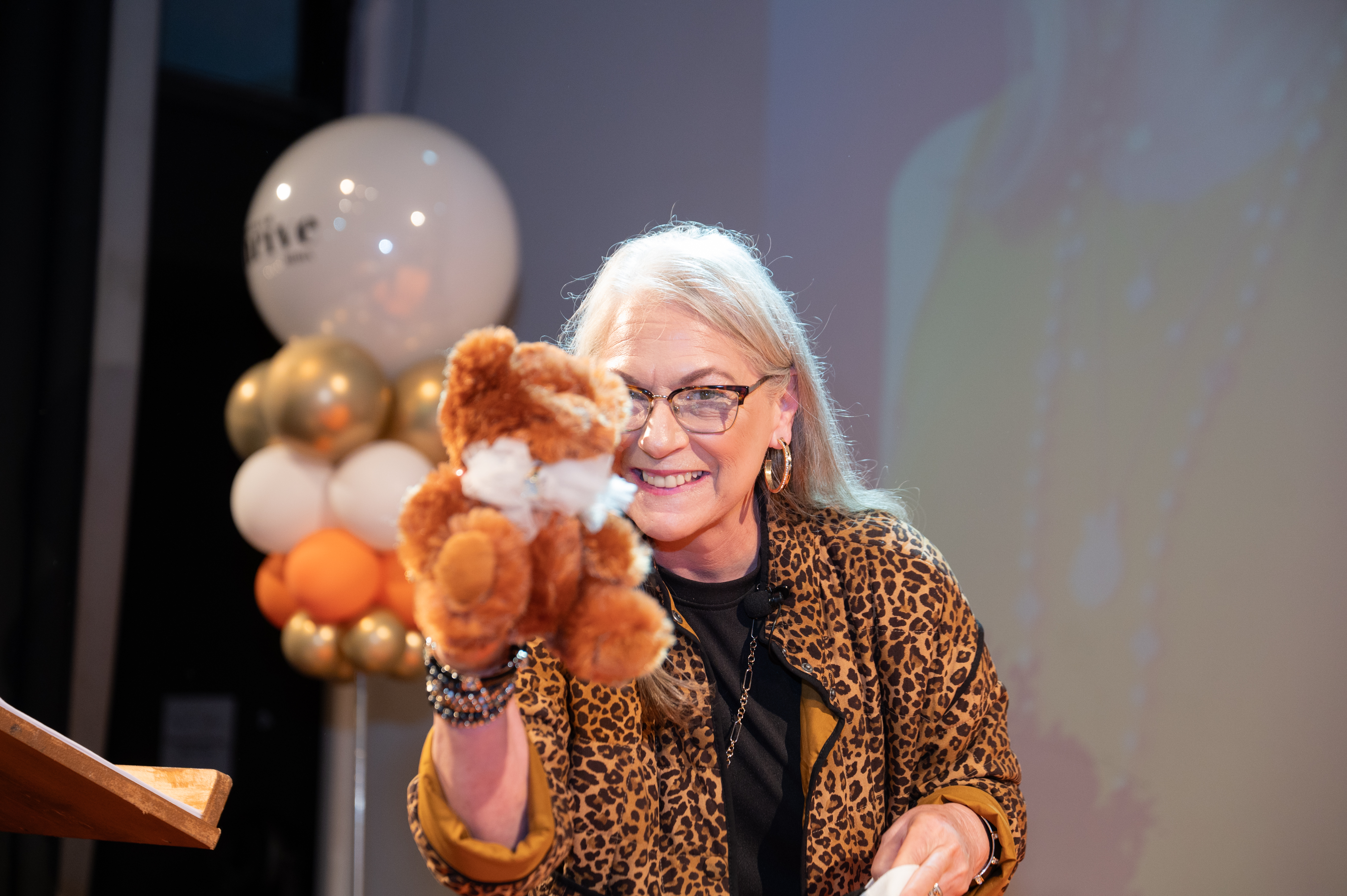
Ironically, the three stuffed bears I had brought to reinforce that message were trapped inside my missing luggage. Those bears mattered to me. I had tied a selected piece of jewelry around each one's neck and planned to give them away during the presentation.
The suitcase finally arrived late Friday night, and the next morning those bears made it onto the stage. They were a hit.
I still think about how close that little part of the story came to never happening. Life contains hundreds of moments like that: things almost missed, words almost spoken, trips almost canceled, friendships almost overlooked, stories almost forgotten.
“Do not wait for life to become perfect before you preserve it. Some of your greatest legacy stories will begin with the words, ‘Well, that certainly wasn't the plan.’”
Finishing well requires noticing the almost. It requires understanding that a meaningful life is not constructed from perfect circumstances. It is constructed from our response to imperfect circumstances.
When the luggage is lost, make do. When the plans change, adjust. When somebody helps you, remember their kindness. When something goes wrong, look for the lesson before deciding the experience was ruined. And when a story happens, preserve it.
That last one matters enormously to me.
You are not waiting to someday create a legacy. You are leaving one in ordinary conversations, interrupted plans, mistakes, celebrations, losses, decisions, jokes, recipes, photographs, traditions, and the way you respond when your carefully packed suitcase does not arrive.
Your Golden Chapter does not require perfect lighting, the right outfit, every relationship to be repaired, or every mystery to be solved. It requires presence. It requires courage. It requires the willingness to say, “This happened. This is what it taught me. And this is what I want those who come after me to know.”

Your Finish Well Practice
Tonight, write down one unexpected experience from the past year. Begin by answering three simple prompts: This is what I expected. This is what actually happened. This is what it taught me.
You may discover that the interruption contains more legacy than the plan ever did.
