From the Front Porch to a London Stage
Long before anybody invited me to speak in London, Dwayne and I already had an audience. They simply were not real.
We stood on the front porch and practiced speeches for people who existed mostly in our imaginations. We ran our words past each other because somehow, we understood, even then, that saying something out loud changed it. We practiced keeping our shoulders square, looking up instead of down, making eye contact, and speaking loudly enough for the person in the back of the room to hear us, even though there was no room and there was certainly no audience.
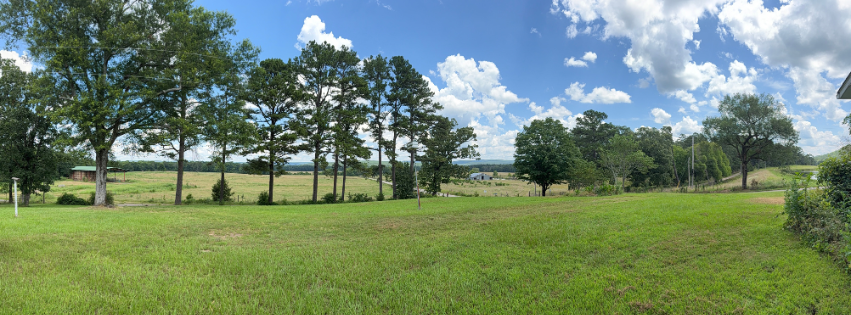
Neither of us knew where those little front-porch performances might lead. We certainly did not look down Frost Lane and imagine that somewhere at the other end of it was London. Children rarely understand which ordinary moments are preparing them for extraordinary ones. We thought we were practicing speeches. Life was preparing a voice.
All these years later, when I stood preparing to speak from an international stage, I thought about how far that voice had traveled. It had come from Arkansas, from Frost Lane, from a ranch, and from a front porch where a brother and sister practiced speaking to people who were not there. Somehow, that little voice had crossed an ocean and found its way all the way to London.
Naturally, because life seems to enjoy keeping us humble, my luggage did not make the trip quite as successfully as I did. I had packed carefully, with outfits planned for photographs, events, sightseeing, and the stage. I had makeup, shoes, jewelry, and all those little things a woman packs when she knows there will be cameras and important moments ahead.
London welcomed me.
My luggage did not.

So there I was, preparing for experiences I had dreamed about while borrowing clothes and makeup from other people. I had to laugh. Somewhere, I could almost hear Dwayne.
The boy who had once listened to my speeches from the porch would not have cared what I was wearing. He would have cared whether I remembered what I came to say.
That realization settled something in me, because I did remember.
The heart of my London message was not hanging inside a missing garment bag. It had been growing inside me for decades. I was there to talk about legacy, about stories, and about how easily families lose pieces of themselves because somebody assumes there will always be more time to tell what happened.
I called the message Poking the Bear.
That title had grown from another one of those improbable experiences life handed me, involving a bear biologist and an Arkansas bear story that became the perfect metaphor for waking people up. During my talk, I asked audience members to turn toward the person beside them and give them a gentle poke.
The room came alive with laughter, but I wanted them to remember the deeper message.
Wake up.
Your story matters.
Your family needs more than the dates on your birth certificate or the possessions listed in your will. They need to know who you were, what you believed, what almost broke you, what saved you, what you learned, what you regret, who helped you, who you loved, and how you became the person they knew.
Inside my missing suitcase were three little brown stuffed bears I intended to give away during the talk. Each one wore a special piece of jewelry around its neck, and I wanted those bears badly.
Funny, isn't it? A woman can pack carefully selected speaking clothes, makeup, shoes, and everything she believes she needs, only to discover that the thing she cares about most is three stuffed bears.
But Frost Lane had taught me a long time ago that the most valuable thing in a situation is not always the most expensive thing.
Those bears carried meaning.
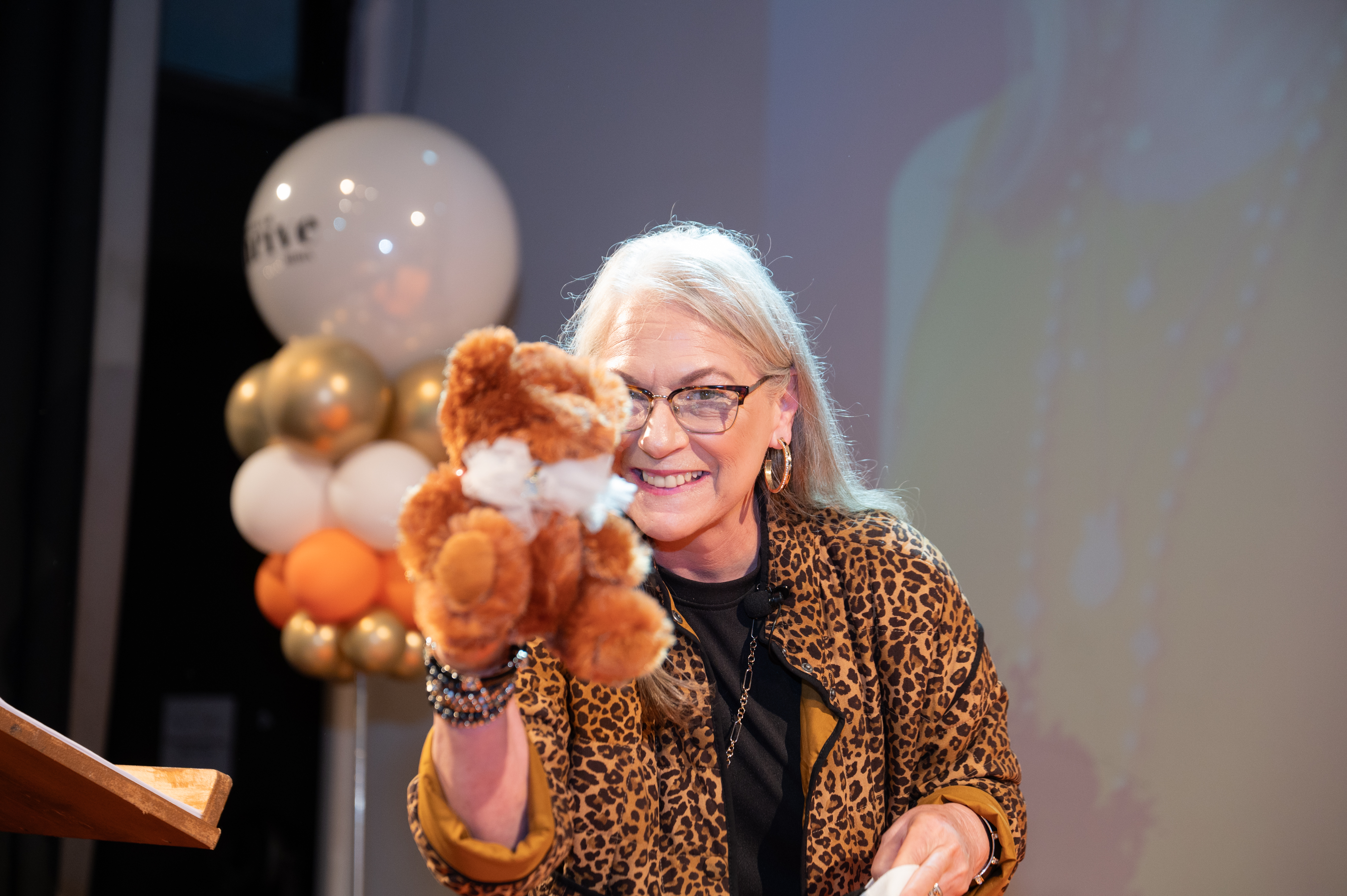
Late Friday night, the luggage finally arrived. I opened the suitcase and there they were. Saturday morning, those three little brown bears made their international debut, and the audience loved them. I loved watching them go home with someone else, each one carrying a little piece of the message I had traveled so far to share.
And once again, I thought about Dwayne.
There are some people we spend the rest of our lives carrying with us. They may not be in the audience where we can see them, but they are there. They live in our gestures, in our courage, in familiar phrases, in the way we straighten our shoulders before stepping onto a stage, and in the quiet voice inside us that whispers, “You know what to do.”
That London presentation may have been delivered by one woman standing on an international stage, but the road to that microphone began a long time before. It began on a porch. It began beside my brother. It began with two children practicing how to speak to a world that had not discovered them yet.
“Some roads look like dirt lanes when we begin walking them. Only years later do we realize they were leading us toward the very place our voice was meant to be heard.”
Perhaps that is why I care so deeply about preserving stories now. I know how easily an ordinary afternoon becomes priceless after someone you love is gone. What once seemed simple and everyday can become sacred when you realize there will never be another afternoon quite like it.
If I could return to that porch for one hour, I would not tell those two children what was coming. I would not burden them with all the joy, heartbreak, distance, loss, success, and change that waited farther down the road.
I would simply sit nearby.
I would listen more carefully.
I would memorize the sound of his voice.
And I would tell that little girl to keep practicing.
One day, the imaginary audience would become real. One day, Frost Lane would lead all the way to London. And one day, she would understand that the greatest thing we carry onto any stage is not the perfect outfit, the right words, or even the confidence we have built along the way.
It is every person who helped us find our voice before the world ever knew our name.