
Make Do, Stand Tall, and Keep Going
Long before anybody called it resilience, the women who came before us knew how to make do. They knew how to look at what was available instead of spending all day mourning what was not. They understood that disappointment did not relieve you of the responsibility to keep living. They could mend, borrow, substitute, stretch, adjust, pray, laugh, and somehow still put something respectable on the table before sundown.
I carried some of those women with me to London.
I had packed beautiful clothing for a very important trip. I had selected jewelry, prepared for photographs, planned touring outfits, and thought carefully about how I wanted to present myself when I stepped onto an international stage. Then my luggage disappeared.
There I was, far from Arkansas, with a full schedule and an empty closet. Somewhere deep inside me came an old familiar instruction, one I suspect had been handed down through generations of women who knew something about surviving disappointment without surrendering their dignity: make do, stand tall, and keep going.
I can almost hear the wisdom of the women who helped shape me. They would never have suggested that disappointment was not real. They simply would not have allowed disappointment to become the boss of the day. There is an important difference between acknowledging that something is frustrating and giving that frustration authority over our spirit.
So, I borrowed clothing. I borrowed makeup. I accepted help, offered my thanks, and went out to meet London.

There is humility in borrowing, and perhaps that is one of the reasons life occasionally places us in a position where we have to do it. Borrowing reminds the accomplished woman that she still needs people. It reminds the independent woman that receiving can be every bit as meaningful as giving. It reminds us that community is not simply about what we provide to others. Sometimes community is the woman standing beside you, opening her suitcase and saying, “Here, honey. Use mine. We will figure this out.”
That is legacy too.
We often imagine legacy as something grand. We picture family foundations, inheritances, books, buildings bearing someone's name, or carefully preserved possessions passed from one generation to another. Yet some of the most enduring forms of legacy are much quieter. Legacy is also the woman who notices another woman's need and quietly offers what she has. It is generosity without ceremony. It is dignity offered without making someone feel indebted. It is the instinct to reassure another person that she does not have to face an unexpected moment alone.
I believe many of us inherited that kind of wisdom from women whose names will never appear in history books. They kept families going through hard seasons. They made meals from what remained in the pantry. They found ways to celebrate when money was scarce. They sat beside bedsides when there were no easy answers. They prayed while they waited. They stretched whatever needed stretching and somehow made room for one more person at the table.
Their legacy was not perfection.
It was presence.
London brought that lesson back to me in a way I had never expected. The missing clothing was inconvenient, but the thing that troubled me most was not an outfit, a pair of shoes, or the makeup I had so carefully packed. It was three little brown bears.
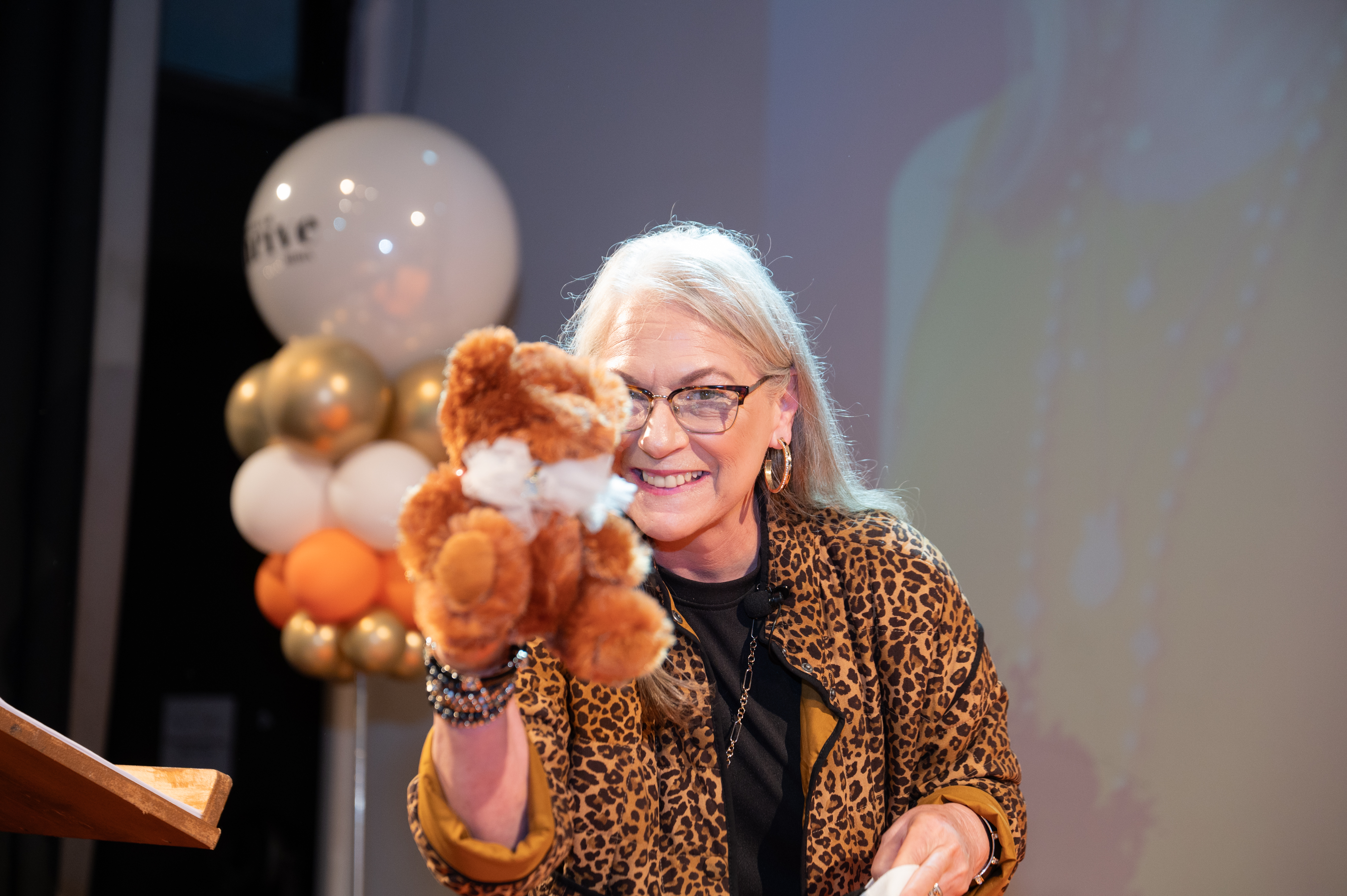
I had packed those bears for my presentation, each one wearing a special piece of jewelry around its neck. My message was called Poking the Bear, and the idea was simple: sometimes we need somebody to wake us up before time quietly slips away with the stories we meant to tell.
Those little bears represented much more than themselves. They represented memory, story, awareness, and the decision not to leave the next generation guessing about the lives that came before them. They represented my belief that we should be recording our stories while we are living them instead of assuming there will always be another day to explain who we were, what we believed, what we survived, and what mattered most to us.
When my luggage finally arrived late Friday night, I was certainly relieved to see my clothes, but I was downright delighted to see those little brown bears staring back at me. Saturday morning, they went with me to the stage. I gave them away during the presentation, and people loved them.
Somewhere inside me, I suspect the women who came before me were smiling.
“The women before us did not always have what they wanted, but they taught us how to honor what remained. That may be one of the greatest inheritances a woman can receive.”
Once again, life had unfolded the way life so often does. It had not gone according to plan, but somehow it had still turned out beautifully enough.
That may be one of the greatest lessons those women left us. Life does not have to unfold perfectly in order for something meaningful to come from it.
This is one of the echoes I want to leave behind for the women coming after us. You do not need everything to be right before you become useful. You do not need everything you packed before you can show up. You do not have to hide because circumstances have made you feel unprepared. Stand tall. Offer what you have. Receive what somebody else offers. Keep your humor, your gratitude, and your faith, and keep moving forward.
Then, when the day is over, write down what happened.
Someday a granddaughter, daughter, niece, student, or woman you will never meet may need to know that another woman once stood thousands of miles from home without her luggage and discovered that she still had everything that mattered most.

Think about one woman who taught you how to “make do.” Perhaps it was your mother, grandmother, aunt, teacher, neighbor, or another woman whose quiet strength shaped the way you learned to live.
Write her name, and then complete this sentence:
She taught me that when life does not give you what you expected, you ___________________.
Then tell that story to someone younger.
Do not assume they already know it. Tell them who she was, what she did, how she carried herself through hard seasons, and what you learned by watching her.
That is how memory becomes wisdom.
That is how wisdom becomes inheritance.
And that is how an echo becomes a legacy.
