There Is Still Fruit on the Tree
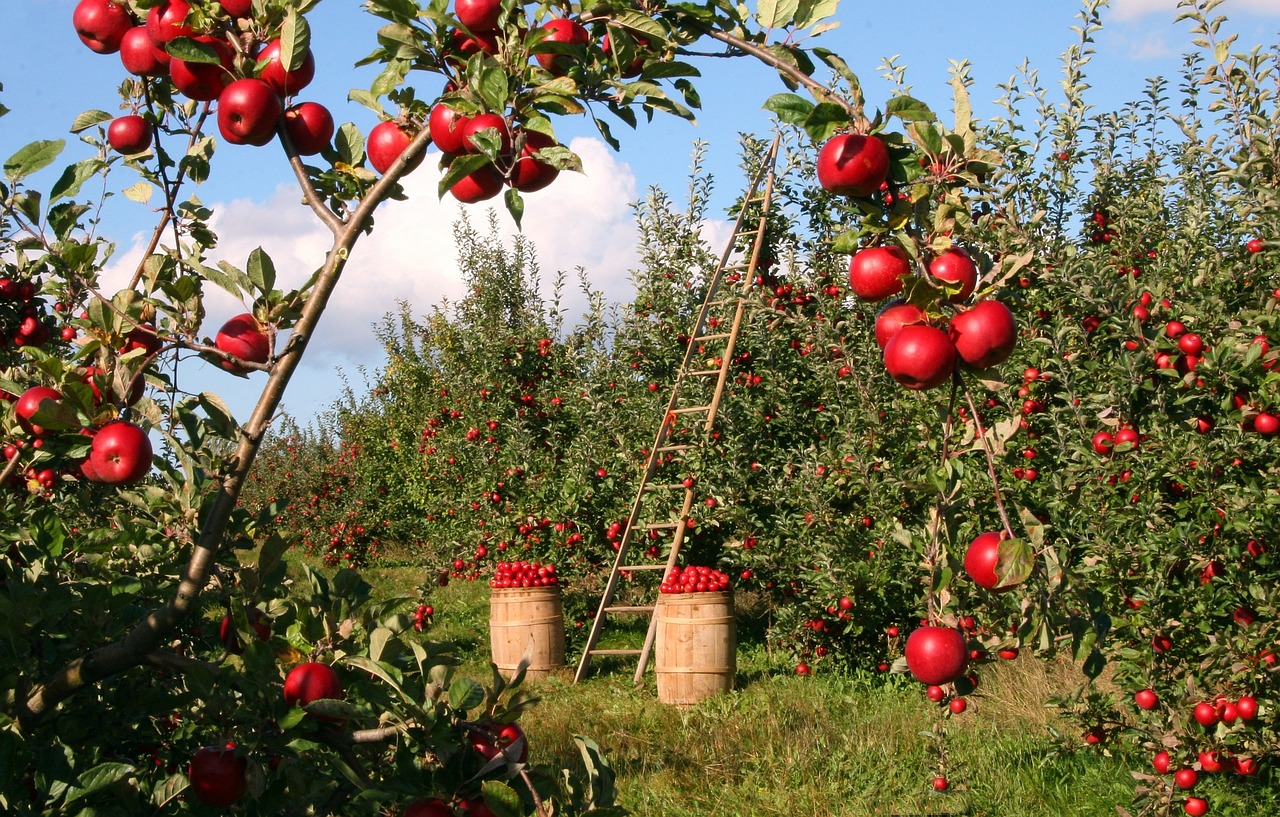
There is a particular kind of beauty in a tree at the end of summer, when the branches are no longer covered in blossoms but are heavy with the evidence of what the season has produced. The fruit may not be perfect. Some apples may be smaller than expected, some may be marked by weather, and some may have ripened later than the others, but the tree is not finished simply because spring has passed. In many ways, this is the season when its purpose becomes most visible.
I think the same is true for women. There comes a time in life when the world begins to send subtle messages that our most important years are behind us. We hear it in conversations about retirement, relevance, aging, visibility, and making room for the next generation. None of those ideas are wrong in themselves, but they can become dangerous when they quietly convince a woman that her season of meaningful contribution has ended.
For women who have spent decades building careers, raising families, leading organizations, serving communities, solving problems, teaching, mentoring, managing households, and carrying responsibilities no one else ever fully saw, that message can feel especially unsettling. When the job title changes, the children need us differently, or the calendar suddenly has more white space than it once did, we may find ourselves asking a question we never expected to face: What am I for now?
That question deserves tenderness because it is rarely about productivity alone. It is about identity. Many women have spent so many years defining themselves by what they do for others that a quieter season can feel like a loss of significance. Yet significance and busyness have never been the same thing, even if we confused them for a while. The apple tree does not apologize when it stops blooming; it simply moves into another purpose.
There is something powerful about recognizing that our later years can work the same way. We may not be producing in the same way we once did, but that does not mean we are producing less value. In fact, some of the most important fruit of a woman’s life does not ripen until she has lived long enough to understand what matters.
There is fruit in discernment, in knowing when to speak and when silence will serve better. There is fruit in the courage to say, “I was wrong,” and in the maturity to say, “This is no longer mine to carry.” There is fruit in recognizing patterns before the next generation repeats them, and there is fruit in knowing that peace is more valuable than proving a point, that boundaries can be loving, and that wisdom often arrives after we stop trying to control every outcome.

That kind of fruit cannot be hurried because it takes years to grow. Some lessons have to pass through disappointment before they become wisdom. Some convictions are formed through grief. Some confidence only comes after we have survived what we once thought might break us. Some faith becomes deeper not because every prayer was answered the way we hoped, but because we discovered that God was still present when the answer looked different. Those are not empty years; they are ripening years.
This is why I resist the idea that a woman in her fifties, sixties, seventies, or beyond should automatically begin shrinking her expectations for herself. There may be things we want to simplify. There may be responsibilities we are ready to release. There may be seasons of rest that are not only deserved but necessary. None of that means our purpose has disappeared, because purpose often changes shape.
For one woman, this season may mean mentoring younger leaders who need someone with enough experience to tell them the truth kindly. For another, it may mean finally writing the stories her family has heard around the dinner table for years. It may mean becoming more present with grandchildren, beginning a business she never had time to explore, volunteering in a cause that has always mattered to her, repairing a relationship, creating financial order for her family, speaking publicly about what she has learned, or simply becoming the steady elder people know they can trust. The fruit does not have to look impressive to the world to be important.
One of the great freedoms of this season is that we can finally become more selective about what deserves our energy. Earlier in life, many of us said yes because we were trying to build something, prove something, support something, or keep everything from falling apart. We became skilled at over functioning because it was often necessary, but maturity gives us another option: we can choose.
We can ask whether something is truly ours to do. We can stop measuring our worth by how exhausted we are. We can become more careful about where we give our wisdom, attention, money, time, and heart. We can decide that finishing well does not mean squeezing every possible accomplishment into the years ahead. It means becoming increasingly intentional about what we want those years to hold, and that distinction matters.
I do not want the women I serve to reach the later chapters of life feeling as though their only responsibility is to disappear gracefully. I want them to know that there is still fruit on the tree. There are still conversations to have, blessings to speak, mistakes to repair, adventures to take, stories to preserve, people to encourage, and decisions to make about what kind of woman they want to be in the years ahead.
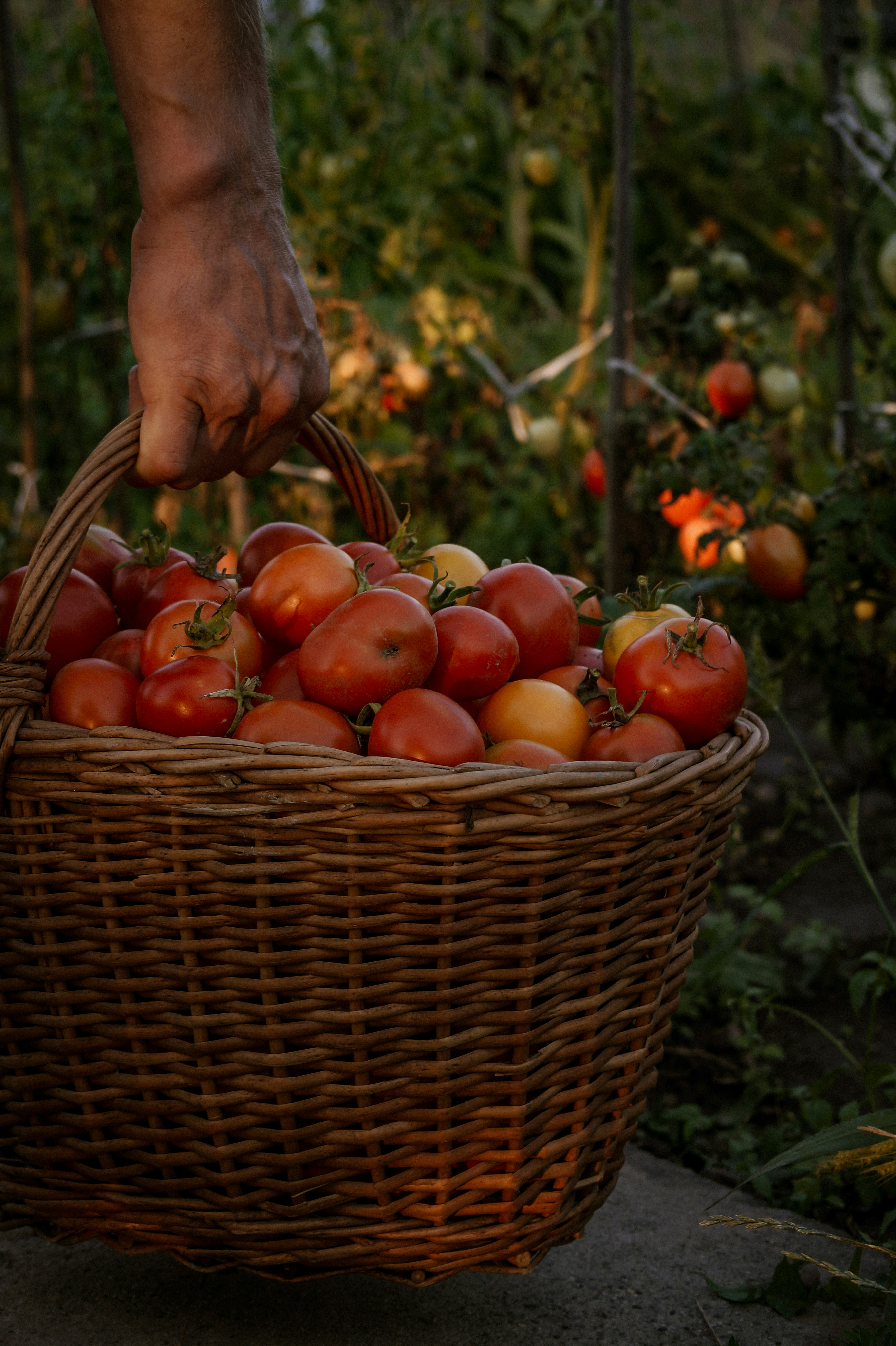
The harvest season is not a consolation prize for having survived spring and summer; it has its own beauty. Think about an old apple tree that has stood through storm after storm. Its trunk may be scarred. A few branches may no longer grow the way they once did. It may lean in a direction no gardener planned. Yet if there is fruit hanging from its branches, no one stands beside it complaining that it is no longer a sapling. We gather what it has grown.
Perhaps we should offer ourselves the same grace. We have weathered things. We have changed. We may carry scars that were not there when we were younger. We may move a little differently through the world because experience has taught us caution in some places and courage in others. None of that diminishes what we have to offer. In many ways, it enriches it.
This fall, as the air turns cooler and the harvest comes in, I hope you will look at your own life with a little more generosity. Instead of asking only what you have lost, ask what has ripened. Instead of measuring yourself against the woman you were twenty years ago, ask what the woman you are today knows that she could not possibly have known then.
Look closely, because there may be more fruit on the tree than you realized. There may still be work that matters, love that needs your particular kind of tenderness, wisdom that belongs in someone else’s hands, and dreams that have waited patiently for you to become the woman capable of carrying them.
Finish well does not mean fading quietly from your own life. It means living the years in front of you with enough clarity to know what deserves to be gathered, what deserves to be shared, and what you still want to grow. If you are wondering whether your season of meaningful contribution has passed, perhaps autumn has come to remind you of something very simple: there is still fruit on the tree.