
The Courage Came Before London
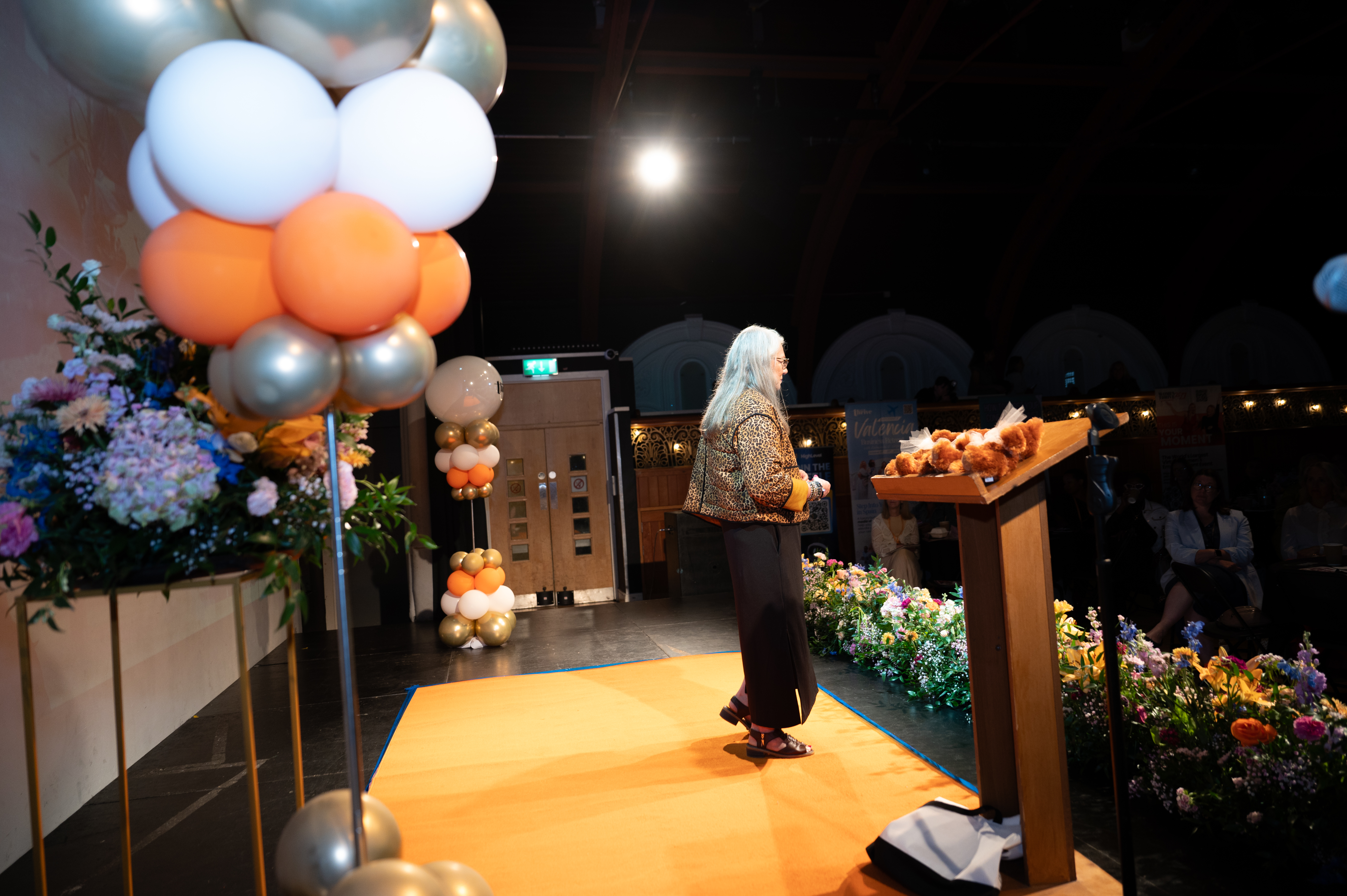
By the time I stood on the stage at Women Thrive Live in London, most of the courageous work had already been done. The audience could see the lights, the microphone, and the woman standing before them. They could hear me say, “Good afternoon, London, from the hills of Arkansas.” What they could not see were all the private decisions that had carried me into that room.
They could not see the moment I first considered the opportunity and wondered whether I should go. They could not hear the practical questions that followed. Could I afford the trip? Was this the right investment? Would my message connect with women from other countries and cultures? Was I prepared for an international stage?
Then came the most personal question of all. At 70 years old, was I still allowed to dream this big?
I suspect many women know that question. We may not say it aloud, but it quietly enters the room whenever a new opportunity appears. We begin measuring ourselves against younger women, better-known women, wealthier women, and women who seem to have started building their platforms years before we did. We look at the stage and imagine all the reasons someone else belongs there more than we do.
Sometimes, however, another voice rises. It does not shout or demand to be heard. It simply asks, “What if this opportunity has come because you are ready for it?”
That was the voice I chose to follow.
The Real Beginning of a Bigger Stage
We often think a speaking opportunity begins when someone places a microphone in our hands. In truth, it begins much earlier. It begins when we decide that our story has value. It begins when we stop treating our experience as ordinary simply because we were the ones who lived it. It begins when we recognize that the lessons gathered through careers, marriages, families, failures, faith, loss, leadership, and reinvention may be exactly what someone else needs to hear.
Long before London, I had spent decades teaching, leading, mentoring, and helping people see possibilities within themselves. I had stood in classrooms, led departments, coached women, written books, and walked alongside people during important transitions. Yet the international stage required me to see those experiences differently. I could no longer view them only as things I had done. I had to recognize them as preparation.
Every classroom had taught me how to read a room. Every leadership challenge had taught me how to remain steady. Every loss had deepened my compassion. Every new beginning had given me another reason to believe that women are not finished simply because one chapter has ended.
London did not create my message. It required me to claim it.
The Question of Money
There is something women are sometimes reluctant to discuss when talking about large opportunities. International opportunities cost money. There is airfare, lodging, transportation, food, clothing, and the many unexpected expenses that seem to appear whenever a suitcase is involved. Even when an event is valuable, we must still decide whether pursuing it is financially responsible.
I did not approach London as a vacation disguised as professional development. I approached it as an investment. That meant asking what the experience could produce beyond a few days in another country.
Would it strengthen my credibility as a speaker? Would I receive photographs or video that could support future opportunities? Would I meet women whose work aligned with mine? Would the experience expand my confidence and prepare me for future stages? Could one presentation become articles, videos, conversations, book material, and new relationships?
The answer was yes, but only if I was willing to steward the opportunity after I returned home.
That distinction matters. A stage does not automatically build a career. A conference does not automatically create meaningful connections. A photograph taken in front of an international audience does not automatically become influence. We must do something with what we receive.
I have learned to think of opportunities like London as investments in Legacy Capital™. Legacy Capital is not merely the amount of money we have accumulated. It is the wisdom we carry, the relationships we have built, the trust attached to our names, the stories we are prepared to tell, and the difference our work can make in the lives of people we may never meet.
Money helped me reach London, but the true return was measured in courage, connection, credibility, and possibility.
What the Audience Never Sees
An audience usually sees the finished speech. They do not see the revisions or the moments when the speaker wonders whether a story is too personal or not personal enough. They do not see the hours spent practicing transitions, refining the message, checking the time, and deciding what must be removed so the most important truth can remain.
They certainly do not see the private conversation a woman has with herself before she steps into the light.
My message in London was about leaving more than money. I spoke about the inheritance of wisdom, values, stories, faith, and connection. I wanted every woman in the room to understand that her legacy was not limited to the possessions she would one day leave behind. She was already passing something forward. The question was whether she was doing it intentionally.
That message was not a presentation I had assembled because it sounded impressive. It came from my life. It came from being raised by Papa and Grannie on our family ranch. It came from my Cherokee roots, my years in education, my work as a financial coach, and my growing conviction that too many women leave their families organized financially but unprepared emotionally.
It also came from watching accomplished women reach later life and wonder whether they still mattered.
I knew the answer.
They mattered deeply, and I was willing to cross an ocean to say so.
The Most Valuable Moments Were Not All on the Stage
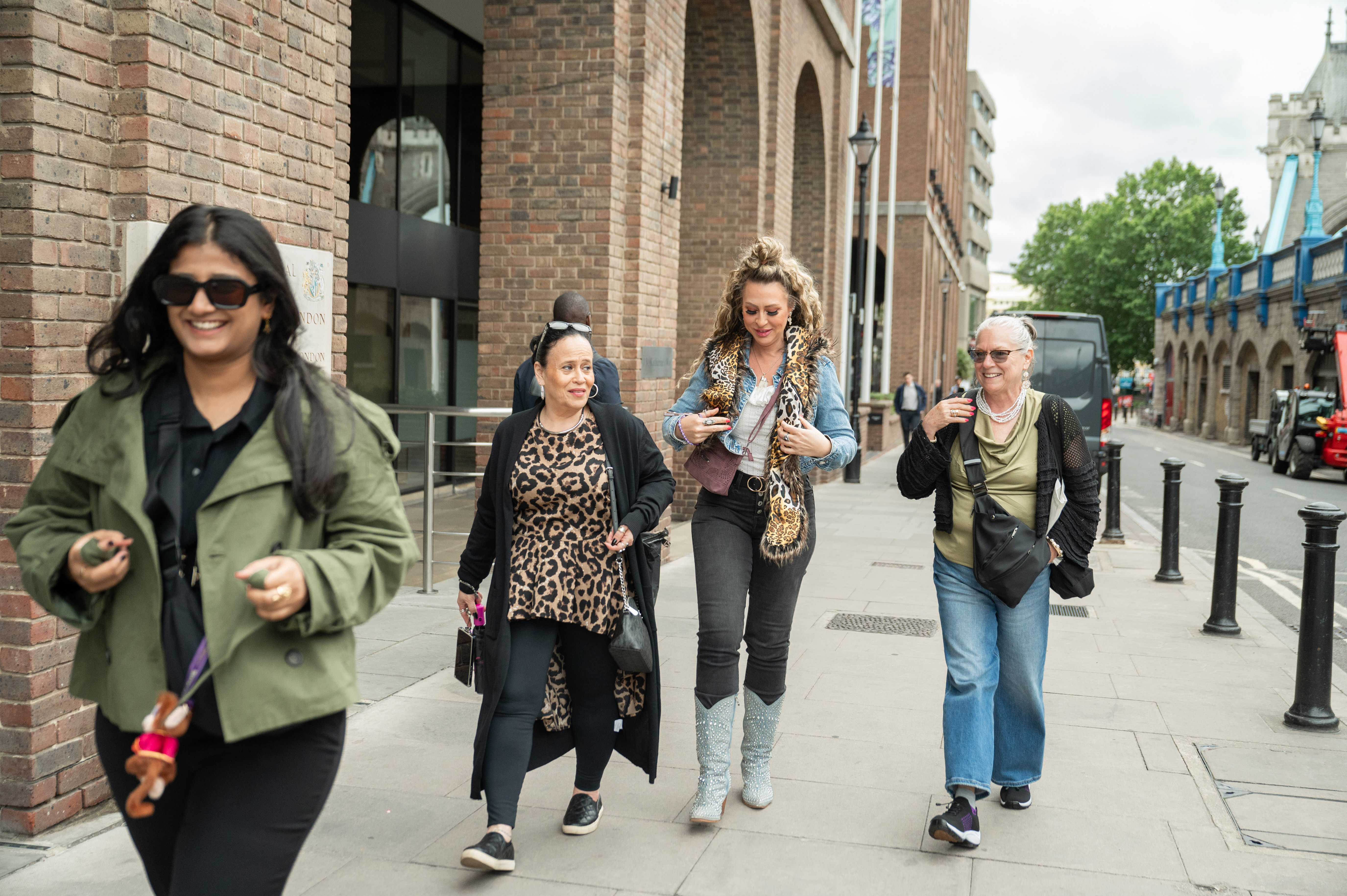
The speech mattered, but some of the most meaningful parts of London happened in conversations. They happened when women gathered between sessions, shared meals, exchanged stories, and discovered that their lives were not as different as geography might suggest.
One woman approached me after I spoke. By every outward measure, she was accomplished, yet she had quietly begun to believe that her most influential years were behind her. Our conversation was not long, but something changed when she began to see her experience as an inheritance rather than a conclusion.
That moment reminded me why larger stages matter. They place our message in front of people we might never otherwise meet. But connection requires more than handing someone a business card. It requires presence.
Connection means asking another woman about her work and listening carefully to the answer. It means remembering what matters to her. It means following up after the event instead of allowing a meaningful conversation to become another name buried in a contact list.
Speaking careers often grow through relationships. Someone hears you speak and remembers your message. Someone introduces you to an organizer. Someone invites you onto a podcast. Someone shares your work with a women’s group, association, company, or conference.
The next stage may begin in a hallway after the current one has ended.
What Changed When I Came Home
When I returned from London, Arkansas still looked like Arkansas. The familiar roads were there. The hills were still green. The responsibilities waiting for me had not disappeared.
But I had changed.
I had evidence that my message could travel farther than I had previously allowed myself to imagine. I had learned that the hills of Arkansas were not something I had to overcome. They were part of the authority I carried with me.
My age was not a disadvantage. My history was not too ordinary. My message was not too small.
I belonged in that international room, not because I had become someone different, but because I had finally arrived as the woman my life had prepared me to be.
That may be the deepest value of stepping onto a bigger stage. The stage does not always introduce you to a new audience first. Sometimes it introduces you to yourself.
“Courage does not begin when the world sees you step onto the stage. It begins in the quiet moment when you decide that your voice, your wisdom, and your years are still worth sharing.”
What Is Your London?
Your London may not involve crossing an ocean. It may be the local women’s group you have been afraid to contact. It may be the podcast interview you keep postponing, the workshop you have outlined but never offered, the book proposal sitting unfinished on your computer, or the video you have recorded three times but still have not published.
A bigger stage is not defined only by the number of people in the audience. It is any place that asks you to move beyond the boundaries you have placed around your own voice.
Ask yourself what you know now that you did not know 20 years ago. Consider what you have survived that might help someone else feel less alone. Pay attention to the message that continues to return, no matter how often you try to dismiss it. Then consider the opportunity you would pursue if you stopped assuming it was meant for someone else.
You do not have to answer every question today. You only have to stop pretending that the dream is foolish because it frightens you. Perhaps the fear is not telling you to stay home. Perhaps it is telling you that the opportunity matters.
The first step toward a bigger stage is rarely taken in front of an audience. It is taken in the quiet place where a woman decides that her years have not made her less relevant. They have made her more prepared.
You may still need to create the budget, practice the speech, send the email, or ask for the opportunity. But before any of that happens, you must make one decision.
Your message is worth carrying beyond the places where it has always been known.

Your next stage may not look like London. It may be a conversation you need to begin, a book you need to finish, a workshop you need to offer, or an invitation you must finally give yourself permission to pursue. Take a quiet moment to name the opportunity that continues to call you, even when fear tries to convince you that it belongs to someone else.
What is your “London,” and what courageous decision must you make before you can step toward it?
My “London” is:
The courageous decision I will make is:
The first action I will take is:
