The Road Home Knows What the Mountain Taught Me
There is something particularly satisfying about pointing yourself toward home after being away. Utah has mountains that make a woman lift her eyes, while Arkansas has hills that make me exhale. I can admire one deeply without confusing it with the other because home has its own rhythm, its own remembered language, and its own way of settling something inside us that no beautiful destination can quite replace. Somewhere along the journey back toward Frost Lane, I know my spirit will recognize that I am getting close before any road sign tells me so.
Travel has always taught me by contrast. A different landscape helps me notice my own again, and a hotel room reminds me how much I love the familiar chair waiting at home. Restaurant meals make an ordinary supper sound wonderful, while days filled with conversations and schedules make quiet feel almost luxurious. We often have to step away from the familiar to see clearly what the familiar has been giving us all along.
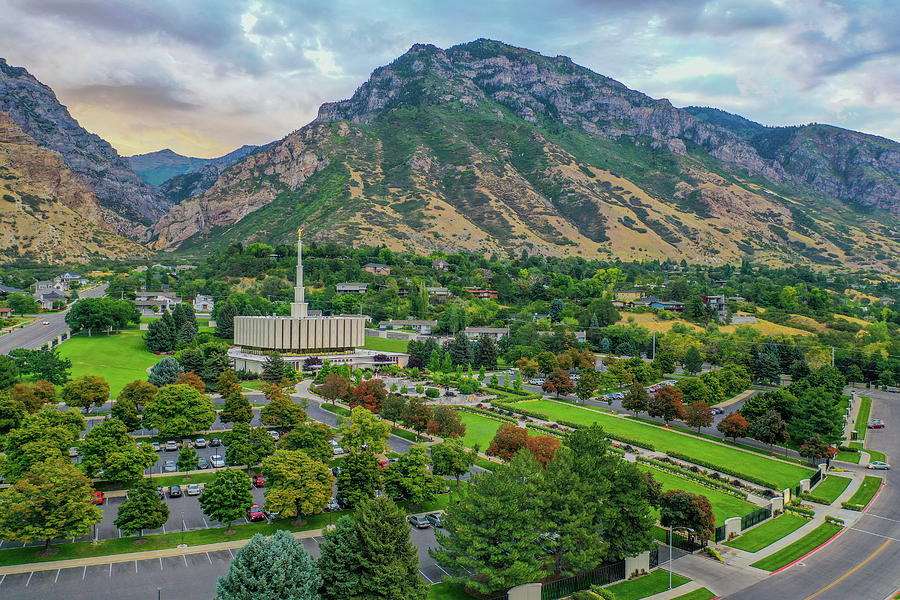
That has been one of the gifts of this trip to Provo, Utah, for the Solex Conference. The days have given me new ideas, new conversations, and new ways to think about energy, wellness, awareness, and the importance of paying attention to how we move through our lives. Yet as I turn toward home, I keep thinking that many of these lessons are not really new at all. Frost Lane was teaching me about energy and balance long before I had language sophisticated enough to describe either one.
Papa understood rhythm without ever calling it work-life balance. Farm life taught it to him in ways no seminar ever could. There was a time to plow the rocky Arkansas ground, a time to plant, a time to tend what had begun to grow, a time to repair what had broken, and a time when darkness simply meant the day’s work was finished. The farm could be demanding, but it also had a wisdom built into its seasons.
That old land never confused rest with laziness. The ground itself would have rejected such foolishness because soil that is continually depleted eventually gives less. Animals require water, shade, food, and rest. Tools need sharpening. Fences need mending. Even the strongest person cannot remain in harvest indefinitely without eventually paying a price.
Yet human beings somehow imagine we should be able to do exactly that. We move from one responsibility into the next, pushing through fatigue and calling it dedication. We fill our calendars, accept one more obligation, carry one more person’s problem, and tell ourselves we will rest when everything is finished. The trouble is that everything is rarely finished, and life can become one long season of harvest if we are not wise enough to create the rest our spirits require.
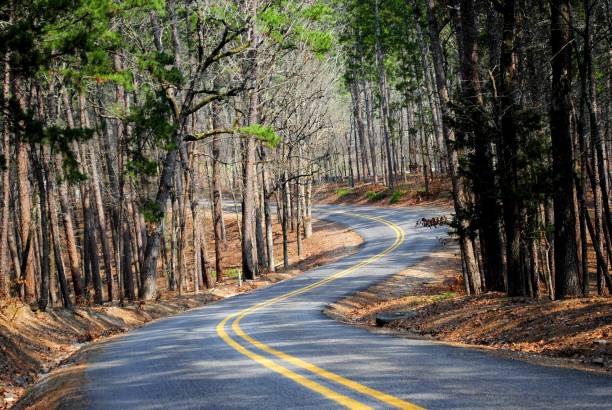
This week in Utah has had me thinking about energy and awareness, but Frost Lane reminds me that these ideas are woven into creation itself. Morning gives way to evening. Work gives way to Sabbath. Seedtime eventually becomes harvest, and harvest eventually gives way to winter. There are seasons when the land appears quiet and unproductive, yet important work is still taking place beneath the surface.
Perhaps balance is simply our willingness to live as though those rhythms apply to us too. We were not created to remain constantly productive, constantly available, constantly expanding, and constantly saying yes. There must also be time for replenishment, reflection, stillness, family, worship, and the simple enjoyment of a life that does not have to prove anything for a few hours.
I am returning home with work waiting for me. There will be emails, writing, HER Life Legacy projects, conference notes to review, ideas to consider, and all the ordinary pieces of a life I dearly love. I am grateful for those things because purpose is a gift, and meaningful work is one of the great blessings of my life. Still, I do not want to rush so quickly back into productivity that I miss the grace of returning home.
There is something sacred about homecoming when we allow ourselves to experience it. I want to notice the familiar road and the change in the landscape as Arkansas begins to feel like Arkansas around me again. I want to greet the dogs, set down the suitcase, walk through rooms that know me, and let my mind settle before I begin asking it to produce again. There is no failure in allowing arrival to simply be arrival.
Tomorrow will bring whatever tomorrow brings, and the work will still be waiting. Tonight, the assignment is homecoming.
Papa never taught me that a good life was an easy one. He was a man who understood hard work far too well for that. What he taught me instead was something much better: a good life knew when to work hard and when the day’s work had been enough. There was dignity in both effort and rest, and neither needed to apologize to the other.
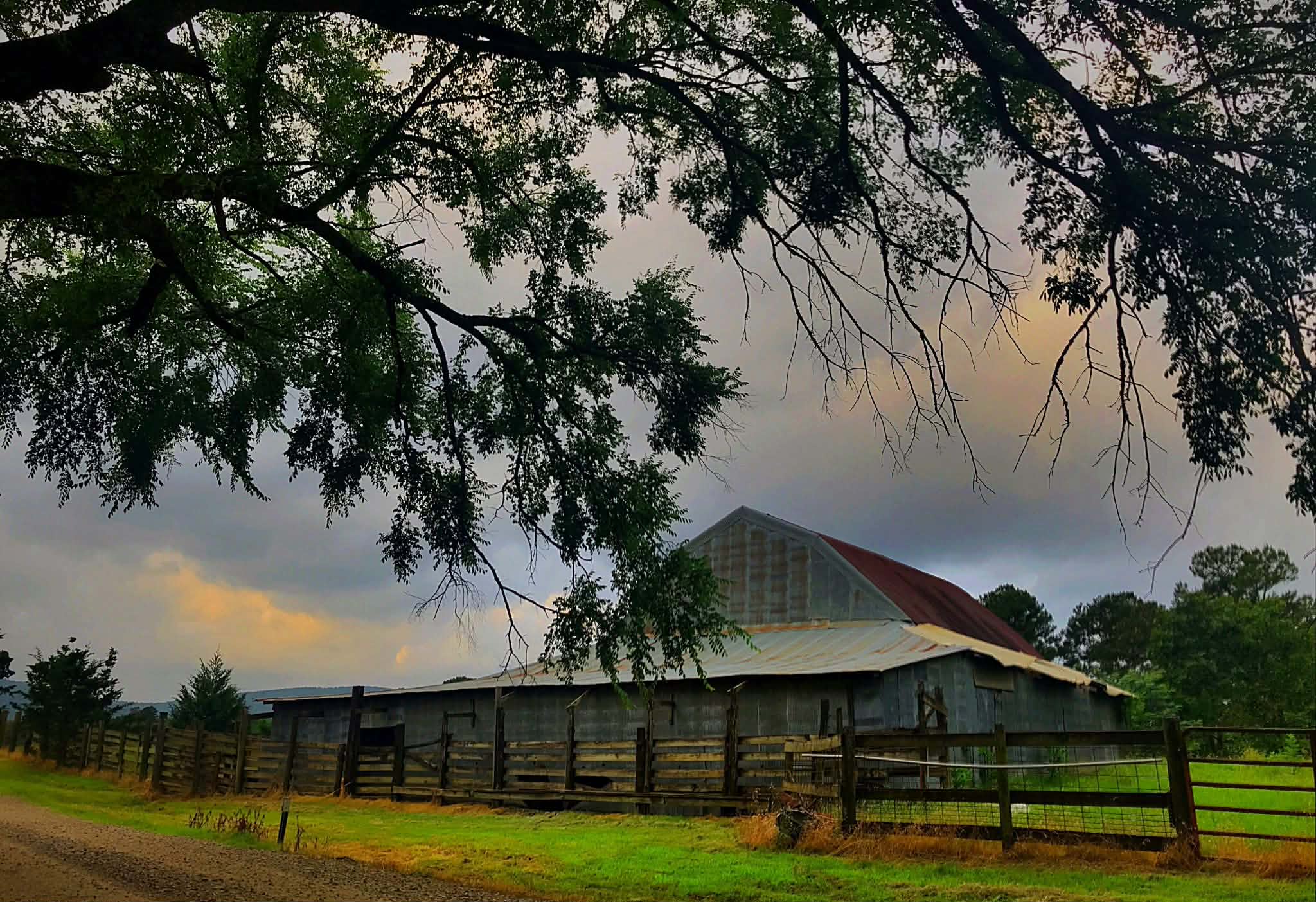
I think that lesson becomes even more important as we grow older. Our energy is precious, not because we should become afraid to spend it, but because we should become wise enough to spend it where it matters. We should give ourselves fully to the people, work, faith, and calling that deserve us, while remembering that restoration is part of stewardship too.
The Utah mountains may have helped me look up this week, but the road back to Frost Lane is reminding me to look inward. It is asking whether the pace of my life reflects the wisdom I claim to have learned and whether I am honoring the natural rhythms God placed into creation and into me.
Perhaps that is one of the deepest lessons the old farm ever gave me. Life does not require us to stay in harvest forever. There is a season to gather, a season to work, a season to travel, and a season to return home and let the soul catch up with the body.
“A good life knows when to work hard and when the day’s work has been enough.”
As you move through your own week, consider whether you have allowed yourself a true homecoming lately. It may not require a trip at all. Sometimes homecoming is simply doing one ordinary thing slowly enough to remember why you love the life you have built.