The Road Home Still Teaches Me
No matter how far I travel, there is something about the road home that rearranges me.
London was filled with noise, movement, possibility, unfamiliar streets, beautiful rooms, interesting people, and the kind of energy that comes from being somewhere larger than the world you usually inhabit. I had crossed an ocean to speak on a stage I once could only have imagined, and for a few days everything felt expanded. The conversations were bigger. The scenery was different. My name was printed on things that would never have found their way down Frost Lane when I was a girl.
Then I came home to Arkansas.
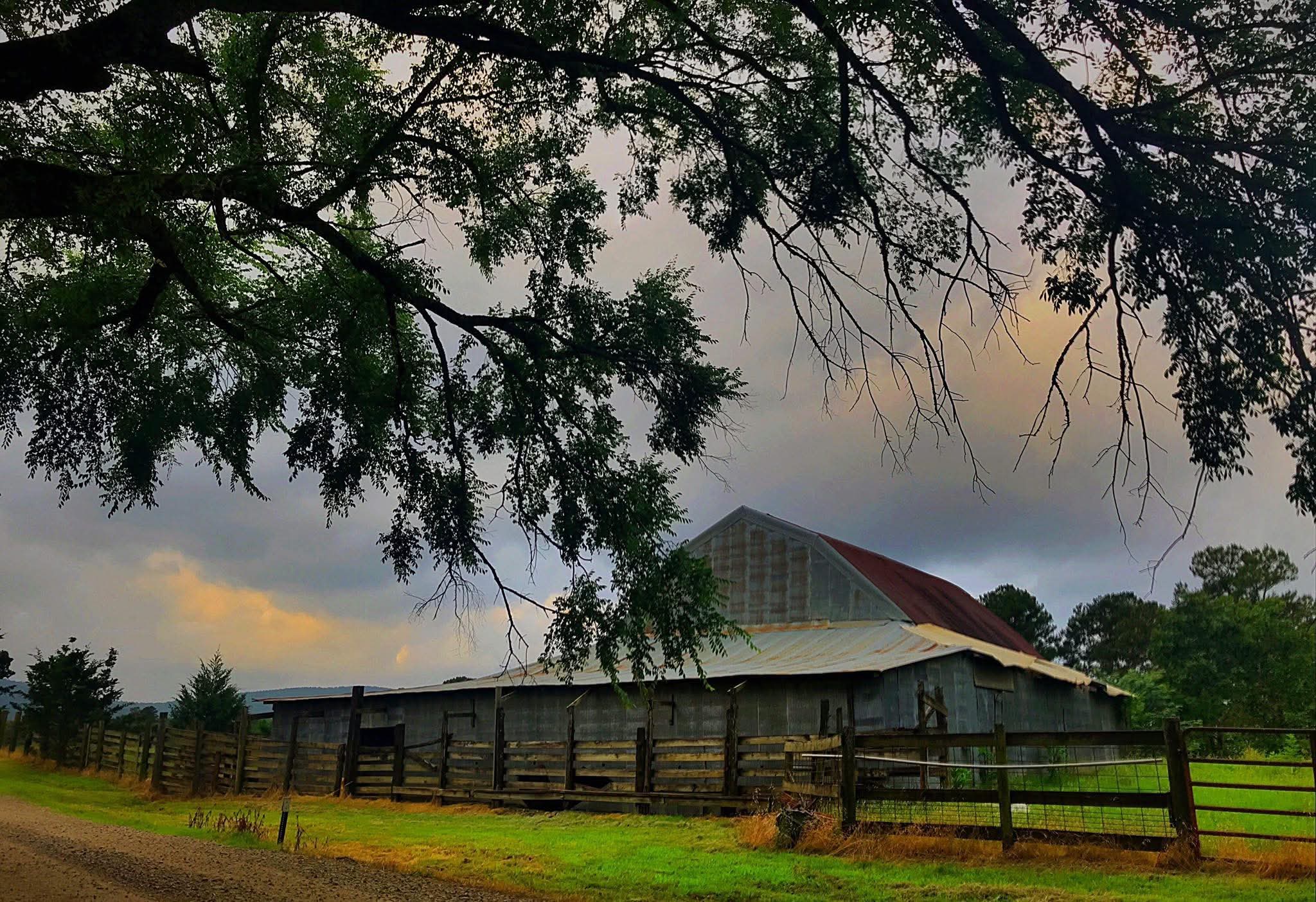
There is a tenderness in returning to familiar ground after being somewhere grand. The hills do not ask what stage you stood on. The road does not care how many people were in the audience. The trees do not applaud, and the old places of your childhood do not become more impressed with you because you have traveled far enough to see another part of the world.
They simply receive you.
That may be one of the reasons home is such a good teacher.
For all the excitement of stepping onto a bigger stage, there is a kind of wisdom that can only be recovered when we return to the places that knew us before we had titles, accomplishments, credentials, businesses, platforms, and carefully written biographies. Home remembers the child beneath the woman. It remembers what shaped us before we learned to shape ourselves for the world.
Whenever I think of Frost Lane, I do not picture achievement. I picture beginnings.
I remember the land, my grandparents, the ordinary work that filled ordinary days, and the lessons that were taught without anybody announcing that a lesson was underway. I think of Papa, of family rhythms, of dirt and seasons and the expectation that if something needed doing, you simply got about the business of doing it. Life was not presented to me as a grand theory. It was demonstrated.
Work mattered.
Your word mattered.
Faith mattered.
Family mattered.
The way you treated people mattered.
You took care of what had been entrusted to you, whether that meant animals, land, money, children, relationships, or the reputation attached to your family name.
Those ideas have followed me farther than I ever realized.
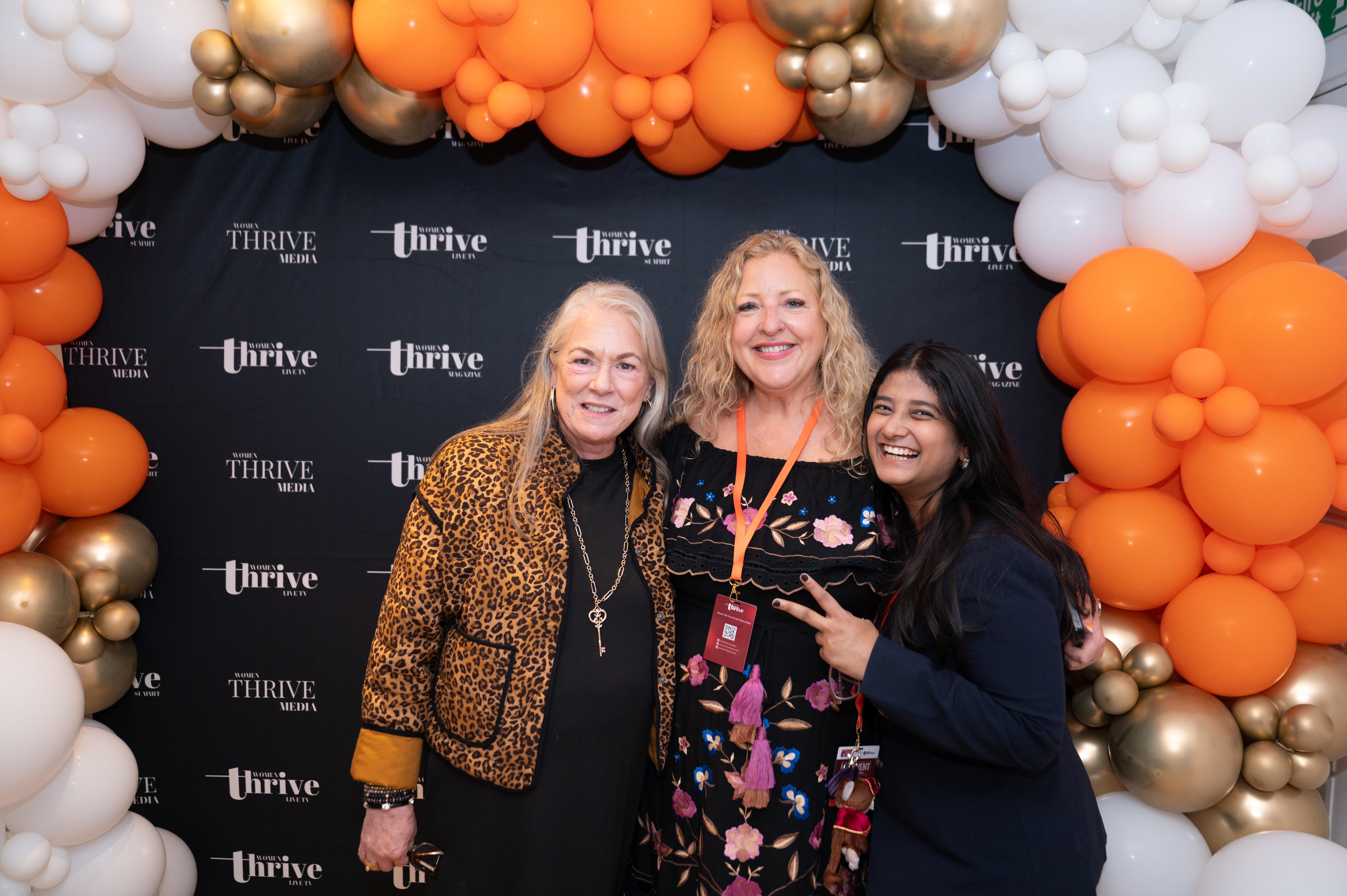
I carried them into classrooms, leadership positions, business ownership, motherhood, grief, reinvention, mentoring, and eventually onto a stage in London. At the time I was standing beneath those lights, I was speaking about legacy, but a great deal of what I believe about legacy was planted long before I ever knew the word.
It was planted down Frost Lane.
That is what home continues to teach me. Our lives may become larger, but the roots of our values are often found in very small places.
As women grow older, we can become so focused on what is next that we forget to look backward long enough to understand what has already been carrying us. There is value in ambition, possibility, and continuing to reach toward new experiences. I certainly have no intention of believing that the most interesting parts of life are over simply because I have celebrated seventy birthdays.
But I also know that the road forward makes more sense when we understand the road behind us.
London reminded me of what is possible.
Home reminded me why it matters.
That distinction has stayed with me.
There are experiences that enlarge us by showing us a bigger world, and there are places that steady us by reminding us who we were before the world became complicated. We need both. We need places that call us outward and places that call us inward.
For me, Frost Lane has always been the inward road.
I can return there in memory and almost hear the sounds that shaped those years. There was no sense that we were building some great legacy. We were simply living. That may be one of the most important truths about legacy itself. Most of it is created while we are busy doing ordinary things.
The child watching how you speak to your spouse is learning something.
The granddaughter listening to the story you have told fifty times is storing something she may not appreciate until decades later.
The neighbor who sees you keep showing up through a difficult season is learning something about endurance.
The family member who watches you choose peace over winning absorbs a lesson about what strength looks like.
We often imagine that legacy is what we deliberately leave behind at the end. I have come to believe it is being formed all along.
That understanding changes the way I think about a bigger stage.
It would be easy to imagine that the significant part of London was standing in front of an international audience. Certainly, it was an honor, and I will never pretend otherwise. Yet the more distance I have from the experience, the more I see it in proportion to the rest of my life.
The stage was one moment.
The road that prepared me for it has been seventy years long.
It includes people who will never know that their words or example eventually traveled with me across an ocean. It includes my grandparents, teachers, family, colleagues, students, friends, losses, mistakes, and every season that added another layer to the woman who eventually stood there.
None of us arrives anywhere alone.
That is another lesson the road home teaches.
We like to tell success stories as if one person climbed the mountain through sheer force of will, but most lives are more complicated and more beautiful than that. We carry people with us. We carry the ones who believed in us, the ones who challenged us, the ones who disappointed us, the ones who prayed for us, and sometimes even the ones who forced us to grow because they made life difficult.
They become part of the road.
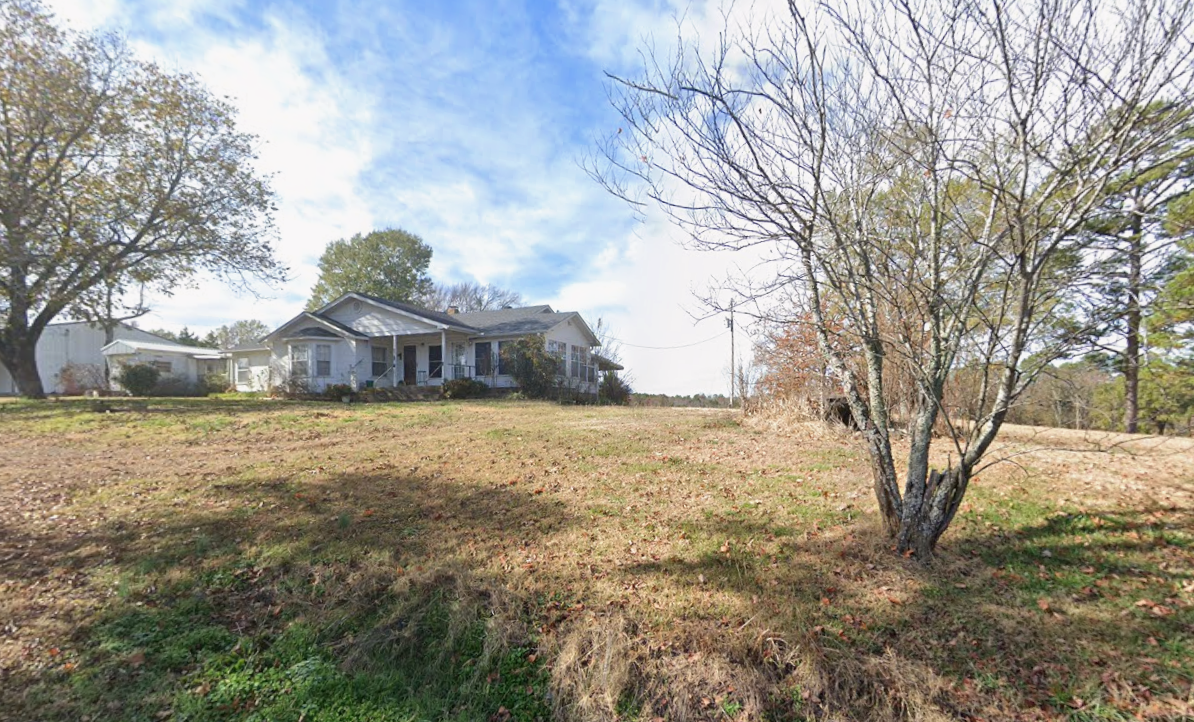
Perhaps this is why coming home after a major accomplishment can be so grounding. Home places the achievement in context. It reminds us that one wonderful moment is not the whole story. It is simply another mile.
I have been thinking about that as I close these weeks of writing about London. There is a natural temptation to keep looking back at the stage because it was visible, exciting, and easy to celebrate. But the woman who came home has work to do.
There are conversations to begin.
There are stories to finish.
There are younger women to encourage.
There is wisdom to preserve.
There is a family legacy to tend.
There are new chapters still waiting.
And somewhere beneath all of that is the same lesson Frost Lane has been teaching me since childhood: do not become so impressed with where you are going that you forget what taught you how to walk there.
Argie Says: “The bigger the road becomes, the more grateful I am for the little lane that first taught me where home was.”
There is peace in knowing that we can travel far without abandoning where we came from. Growth does not require rejecting our roots. In the best cases, growth allows us to understand those roots more clearly.
I no longer see Frost Lane simply as the place where part of my childhood happened. I see it as one of the original classrooms of my life. Long before I taught university students, built businesses, mentored women, spoke about legacy, or boarded an airplane for London, I was being educated there.
I was learning stewardship.
I was learning perseverance.
I was learning belonging.
I was learning that work done with integrity carries dignity whether anybody sees it or not.
I was learning that family stories deserve to be remembered.
I was learning that a life does not have to be famous to matter.
Perhaps that is why the road home still teaches me.
It strips away the noise and reminds me that the biggest stages of our lives are not always the places where the most important lessons are learned.
Sometimes the lesson is waiting on an old road in Arkansas, reminding you that you may have traveled far, but the values that carried you were planted much closer to home.
London gave me a bigger stage.
Frost Lane gave me the woman who could stand on it.
As I look toward what comes next, I know which of those gifts matters most.