The Stories We Almost Never Told
There are stories women carry for years without ever realizing how important those stories may be to someone else.
Some of them are tucked inside old photographs, handwritten recipes, faded letters, family sayings, and memories of people whose voices we can still hear if we close our eyes long enough. Others are carried much more quietly. They live in the lessons learned from heartbreak, the decisions made in difficult seasons, the relationships that changed us, and the moments when life asked us to become stronger than we ever expected to be.
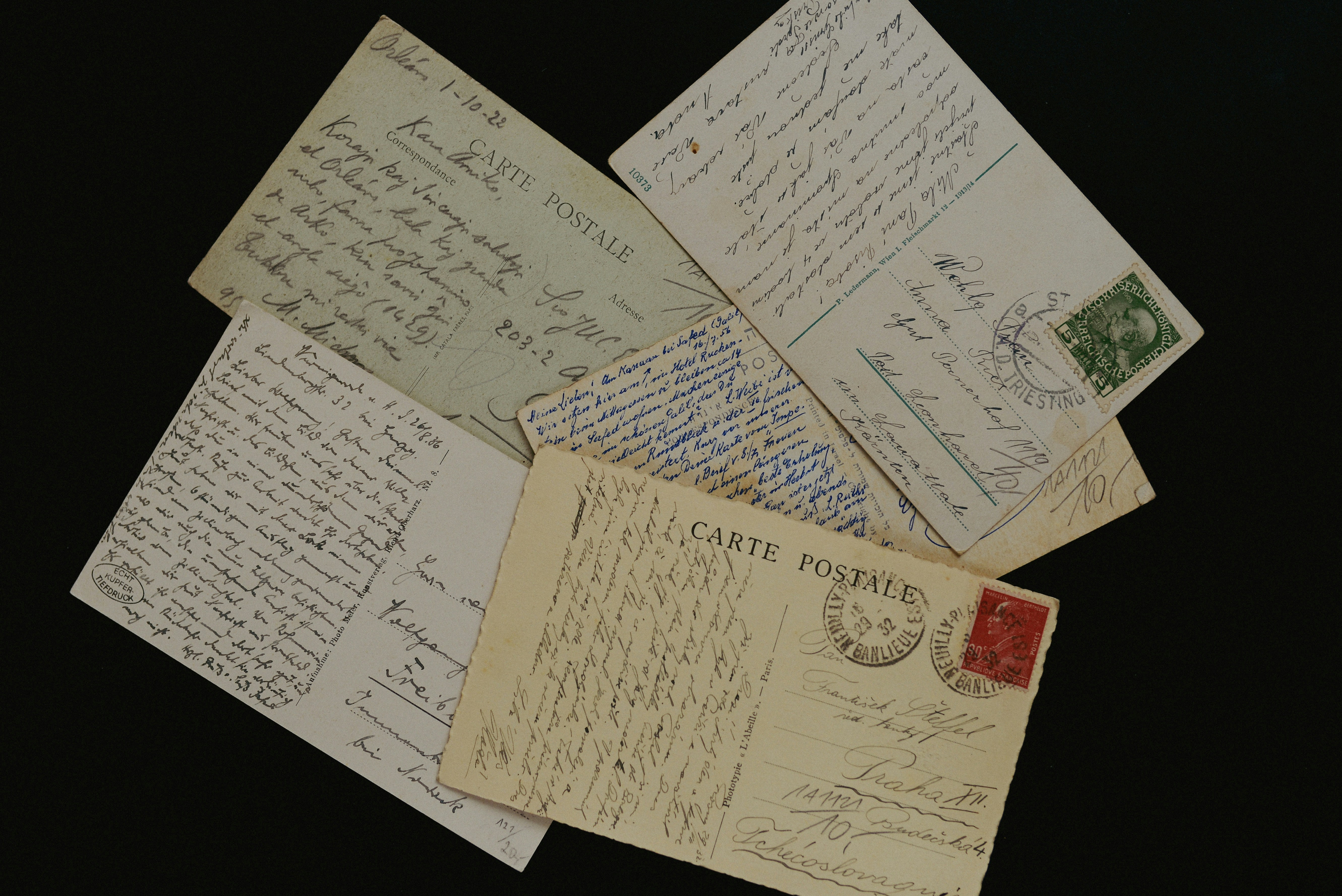
For many years, I thought of these things simply as memories.
Today, I understand them as legacy.
That understanding has deepened as my dear friend Jan Reed and I have written Where the Crabapple Blooms: The Braided Journey of Two Women Learning to Love, Grieve, and Bloom Again. What began as the telling of two very personal stories gradually became something much larger. It became a way of preserving people we loved, honoring lives that shaped us, and giving language to experiences many women carry but do not always know how to express.
Jan brought the story of her husband, Mickey. I brought the story of my brother, Dwayne. Both men left marks on our lives that could never be erased, yet loss has a strange way of making us understand how fragile memory can be.
When someone dies, we often tell ourselves we will never forget. In the early days of grief, that feels impossible anyway. The memories are everywhere. A voice, a chair, a certain song, a familiar road, or even a particular time of day can bring the person rushing back so vividly that for a moment we almost expect them to walk through the door.
But years pass.
Details soften.
Stories become shortened.
The younger generation may know a name without knowing the person who carried it.
That realization has changed me.
As I began writing more deeply about Dwayne, I started remembering pieces of him that I did not want to disappear. I remembered the brother who taught me, protected me, challenged me, and helped shape the woman I would become. I remembered his intelligence, his humor, his professional accomplishments, and the ways he influenced people far beyond our own family.
I also remembered the ordinary things.
Those may be the most important pieces of all.
A life is rarely preserved by accomplishments alone. We remember the way someone laughed, the phrases they always used, how they entered a room, what irritated them, what delighted them, and how we felt when we were sitting beside them. We remember the small acts of kindness no résumé could ever capture.
That is where legacy often lives.
Women have always been the keepers of much of that history, whether anyone called it leadership or not. We remembered the birthdays, the family stories, the recipes, the names of grandparents, and the reasons certain traditions mattered. We passed down lessons around kitchen tables, on front porches, during long car rides, and in whispered conversations late at night.
Yet somewhere along the way, many of us began to underestimate the importance of our own stories.
We told ourselves nobody would care.
We thought we needed to have lived some extraordinary public life before our experiences were worth recording.
We assumed there would be more time.
I have learned not to make those assumptions anymore.
One of the questions I now ask women is simple: What will disappear if you do not tell it?
The answer may be larger than you think.
Perhaps it is the story of how your parents survived a difficult season. Maybe it is the lesson your grandmother taught you without ever calling it a lesson. It may be something you learned about marriage, motherhood, leadership, faith, money, friendship, or forgiveness.
Perhaps it is a mistake you would like the women coming behind you to understand without having to make it themselves.
Maybe it is the story of who you were before everyone else knew you only as somebody’s mother, wife, boss, grandmother, caregiver, or friend.
Those stories matter.
They matter because legacy is not merely what we leave. It is what we refuse to allow to disappear.
Writing Where the Crabapple Blooms taught Jan and me that some of the stories we almost never tell are the very stories another woman may need most. Grief can make us feel isolated, as though no one else could possibly understand the particular shape of our loss. Yet when women begin speaking honestly, something remarkable happens. We recognize ourselves in one another.
That recognition does not remove the grief, but it can remove some of the loneliness.
The book also taught me something else I did not fully understand when we began. Telling a story is not the same thing as staying trapped in it.
We can honor the past without living there.
We can speak the names of the people we loved and still move toward the future.
We can allow grief and joy to exist in the same life.
We can remember winter and still welcome spring.
That is one of the reasons the crabapple tree has become such a meaningful image for us. A tree carries evidence of every season it has survived. The bark does not forget the storms. The branches do not pretend winter never came. Yet when the season changes, the tree does what it was created to do.
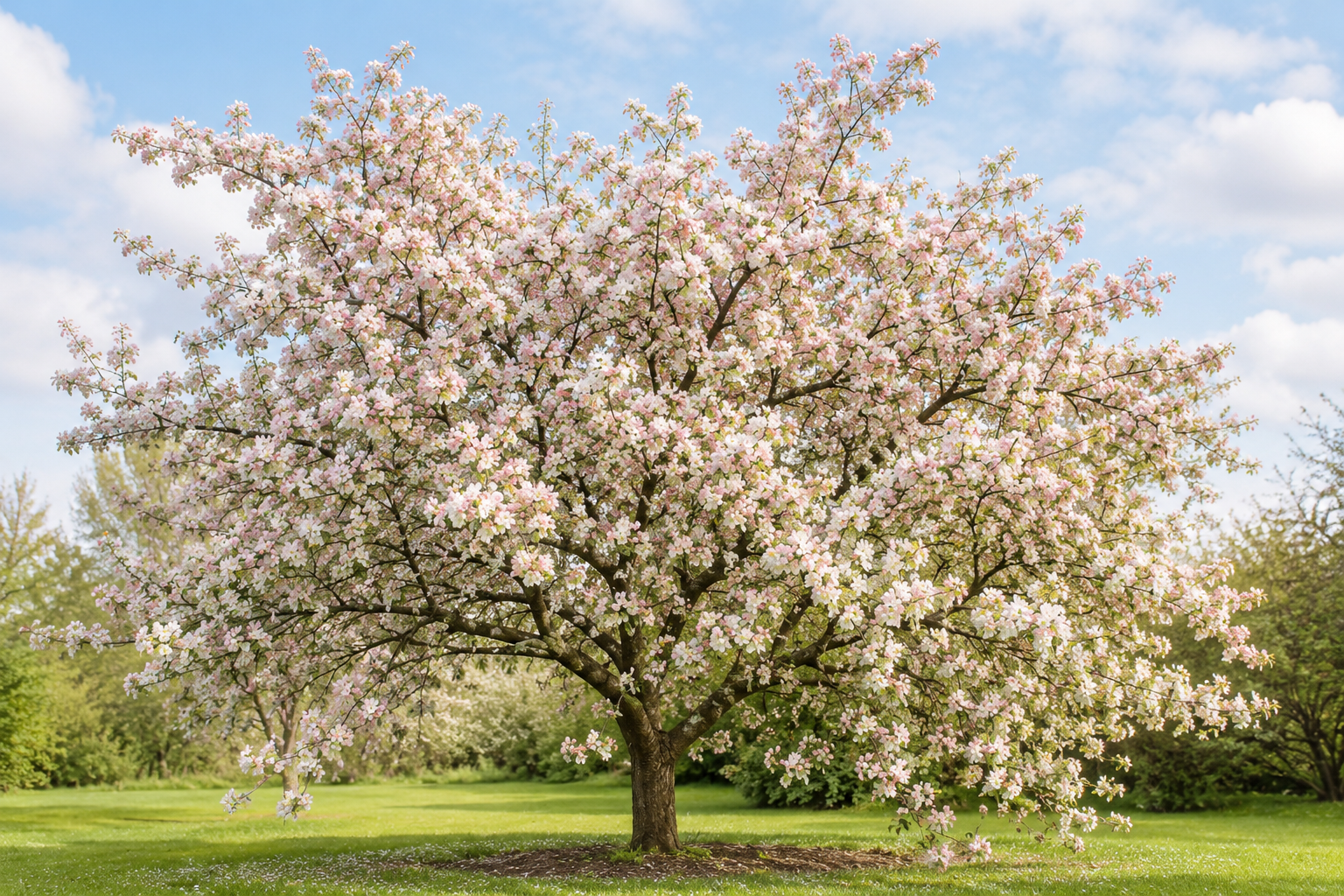
It blooms again.
Perhaps women are not so different.
We carry scars, histories, losses, dreams, unfinished questions, and memories that will always belong to us. Yet none of those things mean our lives have stopped producing beauty.
In fact, sometimes the very experiences we thought had broken us become the places from which our deepest wisdom grows.
That is why I want women, particularly those of us in our fifties, sixties, seventies, and beyond, to stop believing that our stories have somehow become less relevant with age.
They may be becoming more important.
We have lived long enough to understand consequences. We have watched choices unfold over decades. We know that relationships require tending, that words matter, and that some things we once worried about were never worth the energy we gave them.
We also know there are conversations that should not be postponed forever.
That wisdom deserves somewhere to go.
Perhaps it belongs in a journal.
Perhaps it belongs in a letter to your children or grandchildren.
Perhaps it belongs in a recorded conversation, a family history, a classroom, a mentoring relationship, a speech, or a book.
The format matters far less than the decision to preserve it.
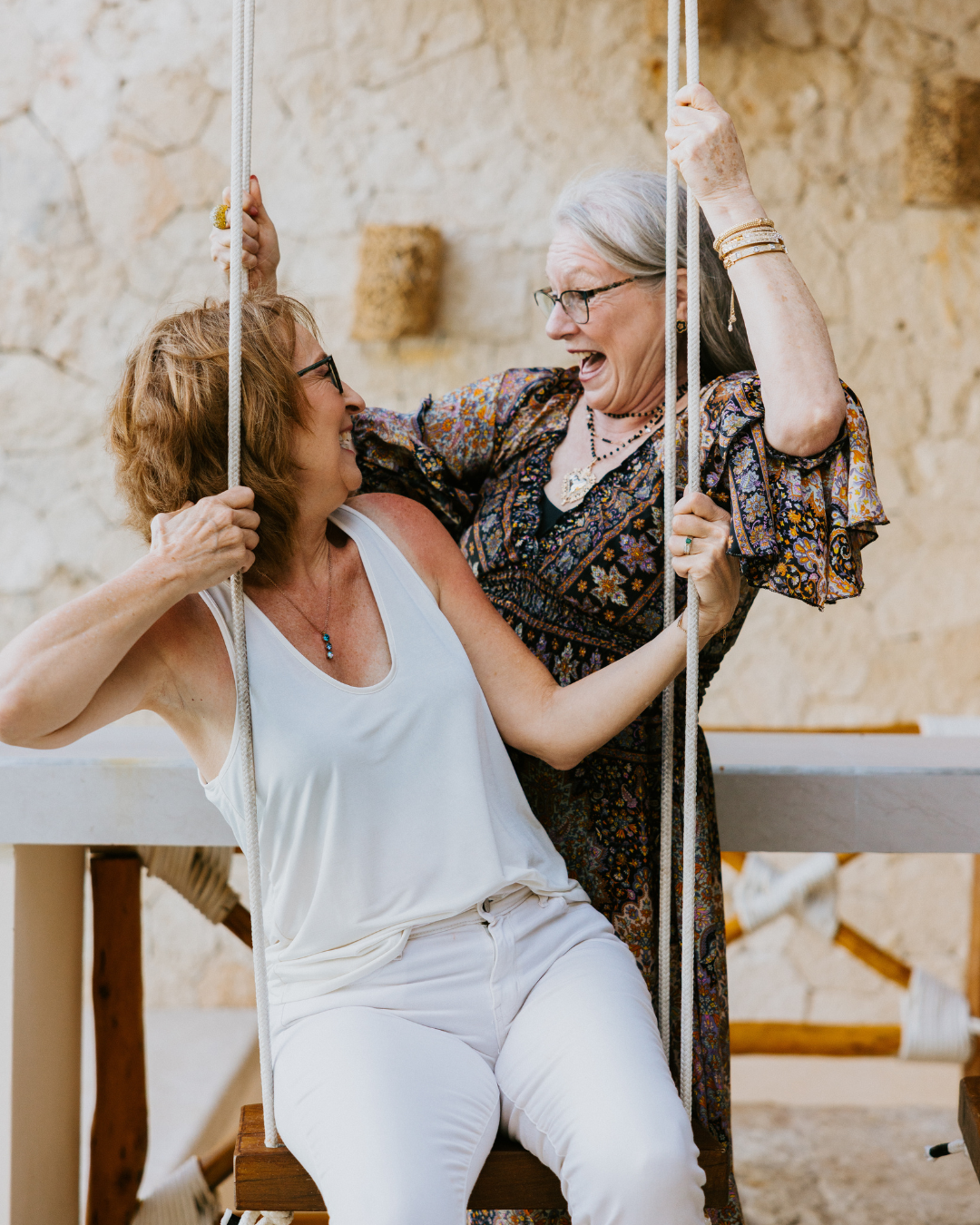
As Jan and I prepare for the release of Where the Crabapple Blooms at the end of October, I find myself thinking about all the stories that came dangerously close to remaining untold.
Some of them were painful to write.
Some made us laugh.
Some brought people we loved back into the room for just a little while.
Together, they reminded us that our lives become richer when we stop treating our stories as insignificant.
Jan and I hope this book becomes more than something people read and place on a shelf. We hope it becomes a beginning. We hope women gather around it and begin telling their own stories, asking better questions, remembering people they do not want forgotten, and considering what pieces of their lives deserve to be carried forward.
We would be honored to join those conversations through book clubs, women’s organizations, churches, leadership groups, conferences, and other communities. If you would like information about receiving a copy of Where the Crabapple Blooms, inviting Jan and me for an author conversation, or booking us to speak about grief, friendship, legacy, identity, and blooming again after life changes us, I would love to hear from you.
The stories we almost never tell may hold more power than we realize.
Someone who comes after us may one day need the wisdom we nearly allowed to disappear.