The Women Whose Work Was Never Written Down
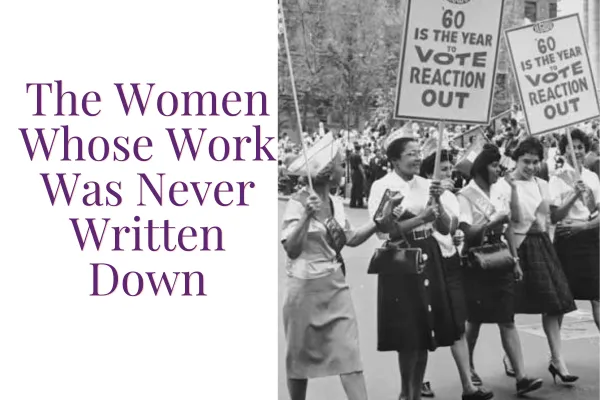
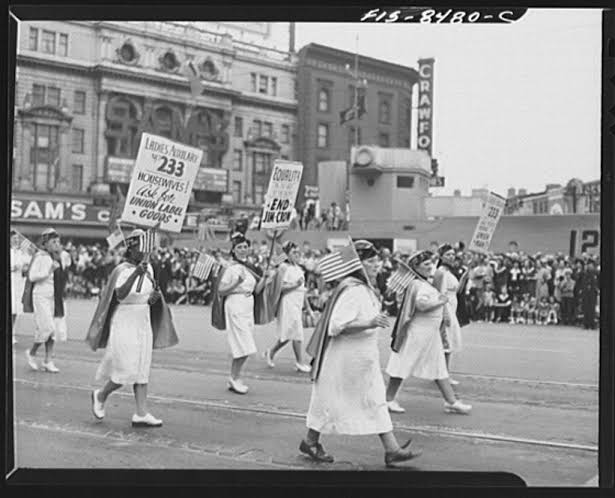
When we talk about the American worker during Labor Day, our minds often turn toward factories, railroads, construction sites, farms, offices, and the men and women whose paid labor helped build the economic strength of this country. That story deserves to be remembered. Yet there is another story running quietly beside it, one that belongs to generations of women whose work was essential even when it was never formally counted, titled, promoted, or recorded.
I think about the women who rose before everyone else in the house and went to bed after everyone else was settled. They cooked meals, washed clothes, tended gardens, preserved food, balanced household money, cared for children, nursed aging parents, taught Sunday school, helped neighbors, carried casseroles to grieving families, and somehow still found ways to stretch what little they had into enough. Many also worked outside the home, teaching school, nursing patients, answering telephones, keeping books, waiting tables, working in factories, running family businesses, or helping sustain farms that could never have survived without their hands.
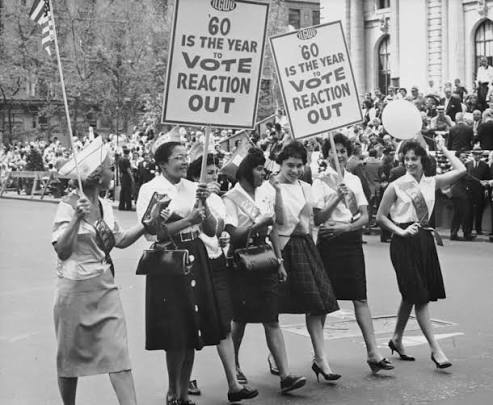
Much of that labor never appeared on a résumé.
But it built America just the same.
The history of Labor Day reminds us that the holiday grew from a national desire to recognize the contributions working people made to the strength and prosperity of the country. Yet when I think about contribution, I cannot help thinking about the women whose work was so often described simply as what women were supposed to do. Their labor could be so ordinary that the very people who benefited from it sometimes failed to recognize it as work at all.
That is one reason I believe legacy requires us to look more carefully.
Our grandmothers may not have called themselves leaders, but many of them led entire families through hardship. They may never have taken a course in financial management, yet they understood how to make ten dollars behave like fifteen. They may never have spoken from a stage, but their words became family sayings repeated for generations. They may not have called what they were doing mentorship, but they taught daughters and granddaughters how to cook, sew, pray, behave, survive disappointment, care for others, and keep going when life did not turn out as expected.
Some of those women worked because they dreamed of careers and opportunity. Others worked because there was simply no other choice. Some loved what they did. Others endured work that was difficult, overlooked, or underpaid because someone they loved depended upon them.
Their stories are part of our American legacy.
I sometimes wonder how much history disappears because women believed their lives were too ordinary to write down. A woman may look at her years and say, “I was just a mother,” “I only helped on the farm,” “I worked at the school,” or “I took care of my family.” Yet inside those few words may be fifty years of courage, ingenuity, sacrifice, problem-solving, endurance, and love.
There is no just about that kind of life.
This is where Echoes of HER matters so deeply to me. We cannot allow the value of a woman’s life to be determined only by what the world officially recorded. Sometimes the most important evidence of her contribution is standing around the dinner table. It is found in children who were educated because she insisted they would have opportunities she never received. It lives in grandchildren who know how to work because they watched her. It survives in recipes written on stained index cards, Bibles marked in the margins, land kept in the family, quilts tucked into cedar chests, businesses passed down, and stories that still begin with the words, “My grandmother always used to say…”
Those are echoes.
They are reminders that labor does not disappear simply because nobody wrote it into a history book.
As we honor Labor Day and the American workers whose efforts built this nation, perhaps we should also honor the women in our own families whose contributions were woven quietly into everyday life. Speak their names. Tell their stories. Ask what they carried. Ask what they built. Ask what became possible because they kept showing up.
And if you are the woman whose work has sometimes felt invisible, remember this: your years have not been empty simply because there was no plaque on the wall.
Some of the most enduring legacies in America were built by women who never realized they were building one.