The Work of Carrying Wisdom Forward
There comes a time in a woman’s life when the question is no longer whether she has learned enough. She has. Life has been teaching her for decades, sometimes gently and sometimes with lessons she would never have volunteered to receive. She has learned from raising children, loving imperfect people, losing people she thought would always be there, changing careers, burying dreams, resurrecting others, managing money, making mistakes, keeping faith, losing confidence and finding it again, building relationships, surviving disappointments, and discovering that some of the most important truths cannot be learned from a textbook.
The question eventually becomes whether she will carry that wisdom forward.
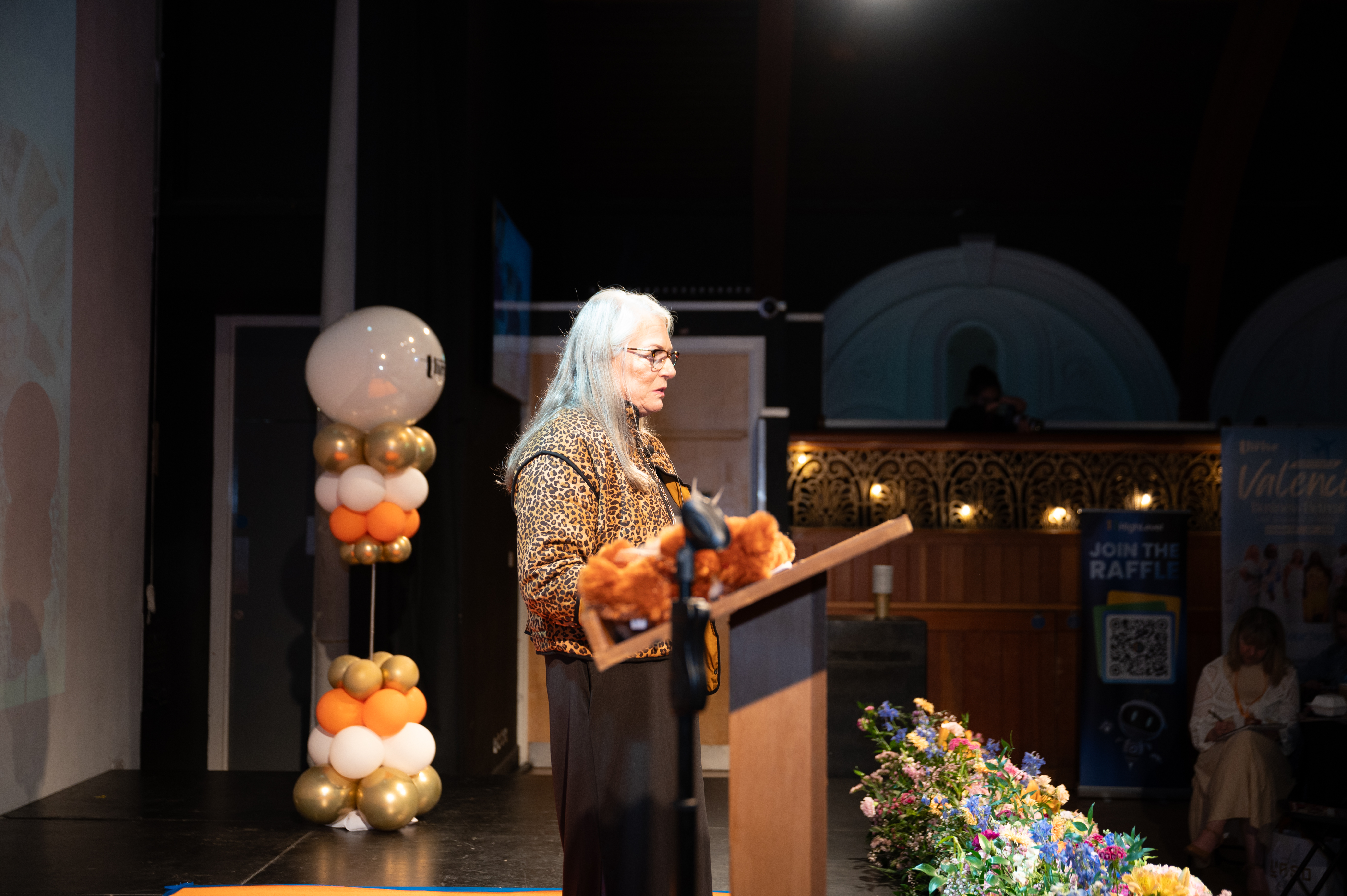
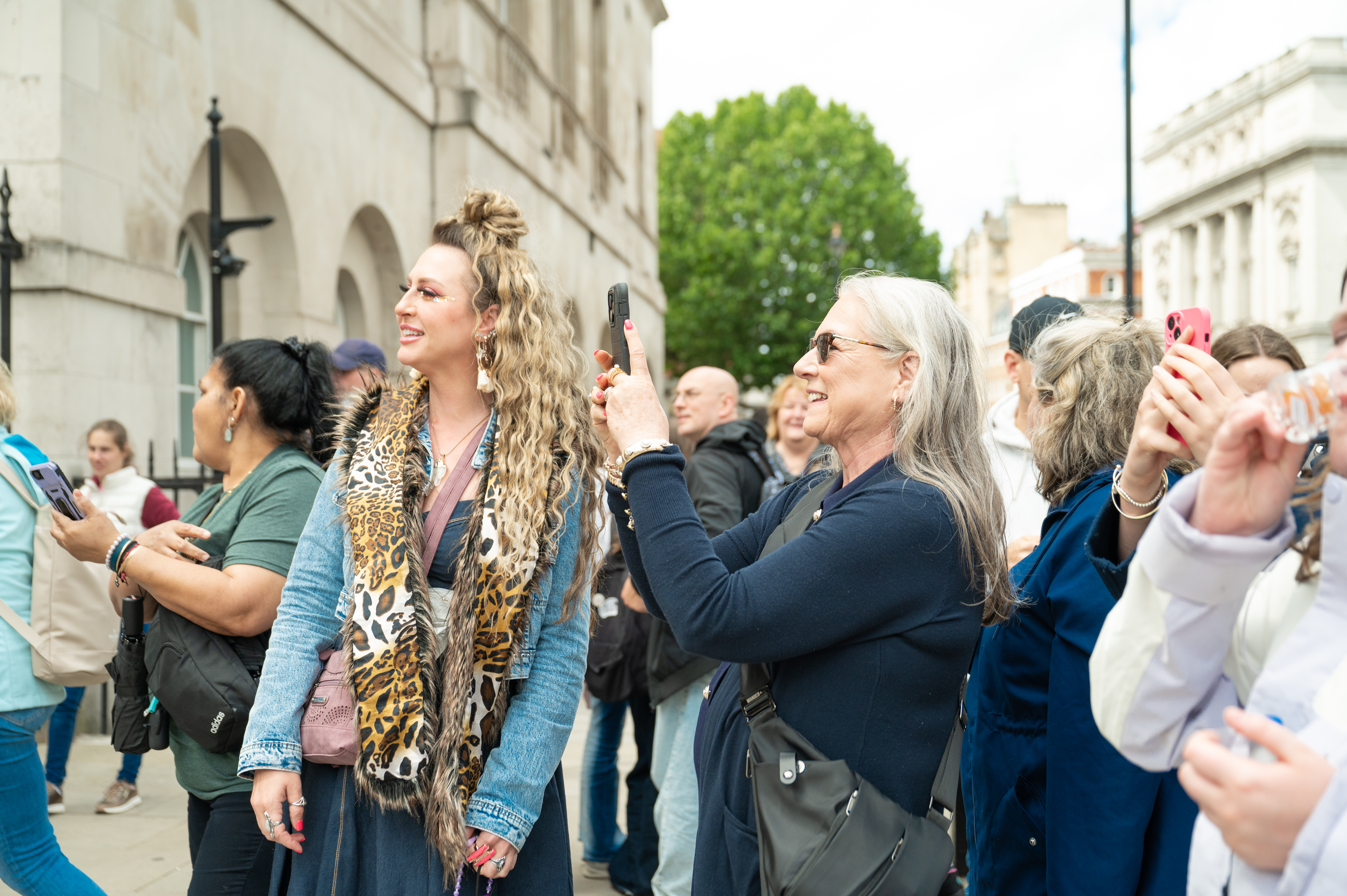
I have been thinking about this more deeply since coming home from London. Standing on a large international stage was an important moment in my life, but the experience left me with a responsibility I did not fully understand until afterward. When people give you their attention, they are giving you something valuable. When they listen to your stories and trust your experience, the obligation is not simply to speak well. The deeper obligation is to make sure that what you have learned becomes useful.
Wisdom should travel.
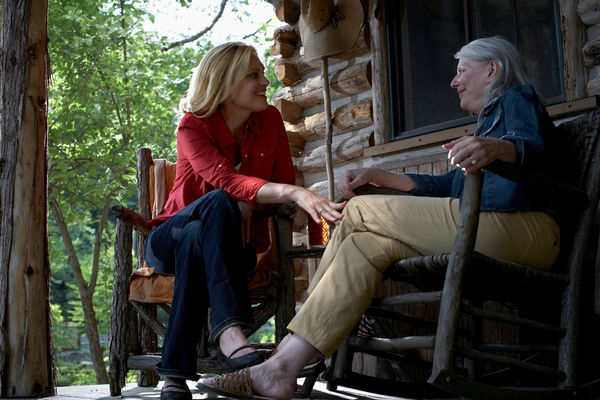
It should move from one generation to another, from one woman to another, from a difficult season into somebody else’s moment of uncertainty. It should find its way into letters, books, conversations, kitchens, classrooms, family traditions, mentoring relationships, Sunday dinners, porch swings, and the quiet exchanges that happen when one woman looks at another and says, “I have been there. Let me tell you what I learned.”
That is how wisdom becomes legacy.
For most of our younger years, we are collectors of wisdom. We gather it from parents, grandparents, teachers, mentors, supervisors, books, mistakes, friendships, churches, marriages, and experience. We often do not recognize how much we are collecting because we are busy living. Yet slowly, over decades, the fragments begin to form something larger. Patterns emerge. We become better able to distinguish what is urgent from what is important. We learn that winning an argument can cost more than it is worth, that family stories disappear faster than we expect, that money solves some problems but cannot repair every wound, that forgiveness and reconciliation are not always the same thing, and that the people we love need our presence more than they need our perfection.
These are not small lessons.
They are an inheritance.
Yet one of the great losses in families and communities occurs when elders assume that younger people will somehow absorb this wisdom simply by being nearby. We imagine that our values are obvious because we have lived by them for years. We assume that our children know why certain traditions matter, that our grandchildren understand the stories behind old photographs, and that the people closest to us know what experiences changed our lives.
Often, they do not.
Wisdom that is not intentionally transferred can disappear within a generation.
This is why I have become increasingly passionate about encouraging women to stop treating their life experience as background information. The stories you have lived are not merely anecdotes. Your decisions, mistakes, convictions, faith, survival, leadership, and family history contain information that someone may need.
The challenge is that many accomplished women have been trained to undervalue what comes naturally to them. If you have spent forty years leading people, you may no longer recognize the instinctive wisdom you use to read a room or help people through conflict. If you raised a family through lean financial years, you may not realize how much practical knowledge you carry about resilience and stewardship. If you cared for aging parents, rebuilt your life after loss, or started again when the easier choice would have been to disappear, you may not think of those experiences as something teachable.
They are.
The women coming behind us do not need perfect elders. They need honest ones.
They need women who are willing to say that some choices worked and others did not. They need us to tell the truth about the seasons when faith was difficult, marriage was complicated, leadership was lonely, motherhood was exhausting, grief was bewildering, and courage looked less like confidence and more like taking the next necessary step while afraid.
That kind of wisdom cannot be downloaded.
It has to be carried.
My own grandparents understood this without ever calling it legacy work. Lessons were woven into ordinary life. Wisdom traveled through stories, routines, expectations, correction, work, faith, and the way elders carried themselves in front of children. Nobody sat me down with a PowerPoint presentation about resilience or stewardship. I learned by watching, listening, and being included in the rhythm of a family where values were demonstrated.
Yet the modern world has changed the way generations live together. Families are more geographically scattered. Conversations compete with screens, schedules, and distance. Children and grandchildren may know the facts of our lives without knowing the meaning behind them.
That means intentionality matters more than ever.
When I speak about carrying wisdom forward, I am not suggesting that every woman needs to become a public speaker, write a book, or build a platform. Some women will. Others will leave their most important legacy in much quieter ways. A grandmother who records the story of her family may be preserving something more valuable than she realizes. A retired executive who mentors two younger women may alter the trajectory of multiple families. A mother who apologizes and repairs a long-standing relationship may interrupt a pattern that has been traveling through generations.
Legacy work is not measured by audience size.
It is measured by what continues.
That is one of the lessons London clarified for me. A large stage can amplify a message, but amplification is meaningless if the message does not eventually reach the places where people actually live. The most meaningful wisdom must eventually leave the microphone and enter ordinary life.
It must reach the kitchen table.
It must reach the daughter who has questions she has never asked.
It must reach the granddaughter who needs to know that the strong woman she admires once doubted herself too.
It must reach the family member who thinks the old photograph is just a photograph because no one has explained the sacrifice represented in the faces staring back.
It must reach the woman who is forty-five, fifty-five, or sixty-five and quietly wondering whether her most useful years are behind her.
This is the work of carrying wisdom forward, and it is sacred work.
There is something deeply humbling about recognizing that we will not always be here to explain ourselves. One day, our descendants may know us largely through the words, stories, traditions, decisions, and emotional climate we leave behind. They may never know every detail of our lives, but they will live inside some of the consequences of the way we chose to live.
That realization can feel heavy, but I do not believe legacy is meant to frighten us. I believe it is meant to awaken us.
There is still time to say what matters.
There is still time to write down the story.
There is still time to explain why the family gathers the way it does, why faith mattered when things were difficult, why a particular piece of land carries history, why you made a choice everyone misunderstood at the time, or why you want the next generation to handle conflict differently than yours did.
There is still time to make your wisdom available.
Argie Says: “Wisdom becomes legacy only when we stop carrying it alone.”
As I close this chapter of talking about London and the bigger stage, I find myself less interested in the size of the rooms we enter and more interested in whether we are leaving something useful behind when we leave them. The stage reminded me that a voice can travel farther than we expect, but the deeper lesson is that each of us has a responsibility to decide what our voice will carry.
Perhaps yours carries stories.
Perhaps it carries healing.
Perhaps it carries professional knowledge, family history, financial wisdom, faith, resilience, humor, tradition, or the kind of courage that only comes from having lived through enough to know what truly matters.
Whatever you carry, do not assume someone else will preserve it.
Tell it.
Teach it.
Write it.
Live it in such a way that the people who come after you can recognize it.
The work of carrying wisdom forward is not about making ourselves unforgettable. It is about making the best of what life taught us available to people we may never see become who they are destined to become.
That is an echo worth leaving.