What If Your Greatest Legacy Is Still Being Written?
There comes a season in a woman’s life when she begins looking backward almost as often as she looks forward. She remembers the career she built, the children she raised, the people she loved, the mistakes she survived, the relationships that shaped her, and the responsibilities she carried for years without ever stopping long enough to ask what all of it meant. Somewhere in those reflections, a quiet question can begin to surface: Have I already done the most important work of my life?

I understand that question more deeply than I once did because I have asked it myself. After more than forty-five years in education and leadership, there are plenty of chapters I could point to with gratitude. I have taught, mentored, led, built programs, stepped into classrooms and onto stages, and spent much of my adult life helping other people discover what they were capable of becoming. By the world’s standards, that could easily be enough to call a meaningful life.
Yet I have come to believe that finishing well is not the same thing as being finished.
The years behind us contain experience, but the years ahead of us still contain responsibility. We carry things now that our younger selves could not possibly have carried because wisdom requires time. We know more about love because we have risked losing it. We understand forgiveness differently because we have needed it ourselves. We know something about grief because eventually life introduces all of us to an absence we cannot fix. We understand family more deeply because we have watched relationships stretch, change, heal, and sometimes break. We know more about courage because age has taught us that courage is rarely the absence of fear; it is choosing to keep moving while fear walks beside us.
Those lessons are not leftovers from a life already lived. They are part of our legacy.
My own understanding of that truth changed profoundly through the loss of my brother, Dwayne, and through the unexpected journey that eventually became Where the Crabapple Blooms: The Braided Journey of Two Women Learning to Love, Grieve, and Bloom Again, the book I have co-authored with my dear friend Jan Reed.
Jan and I did not begin with a plan to write a book about legacy. We began with stories. We began with loss. She carried the loss of her husband, Mickey, and I carried the loss of Dwayne. We came from different places and had lived different lives, yet grief gave us a language we both understood. As our friendship deepened, so did our realization that what we had experienced should not remain locked away as private sorrow.
Slowly, the stories became something more.
As I began writing about Dwayne, I found myself remembering the things that could so easily disappear if no one recorded them. I remembered his intelligence, his humor, his ability to teach others, the professional accomplishments that made me so proud of him, and the simple moments when he was simply my brother. I remembered the way he shaped my life long before I understood that one day I would be responsible for helping preserve his story.
That realization changed the way I think about legacy.
Legacy is not simply an inheritance, a financial document, a family name, or the list of accomplishments someone reads at a memorial service. Those things may be part of it, but true legacy lives much closer to the heart. It is the story that helps a granddaughter understand the woman she came from. It is the family lesson that would disappear if no one bothered to say it aloud. It is the value lived so consistently that the next generation recognizes it without needing an explanation. It is the difficult conversation finally completed. It is the relationship repaired while there is still time. It is the wisdom turned into something another person can use.
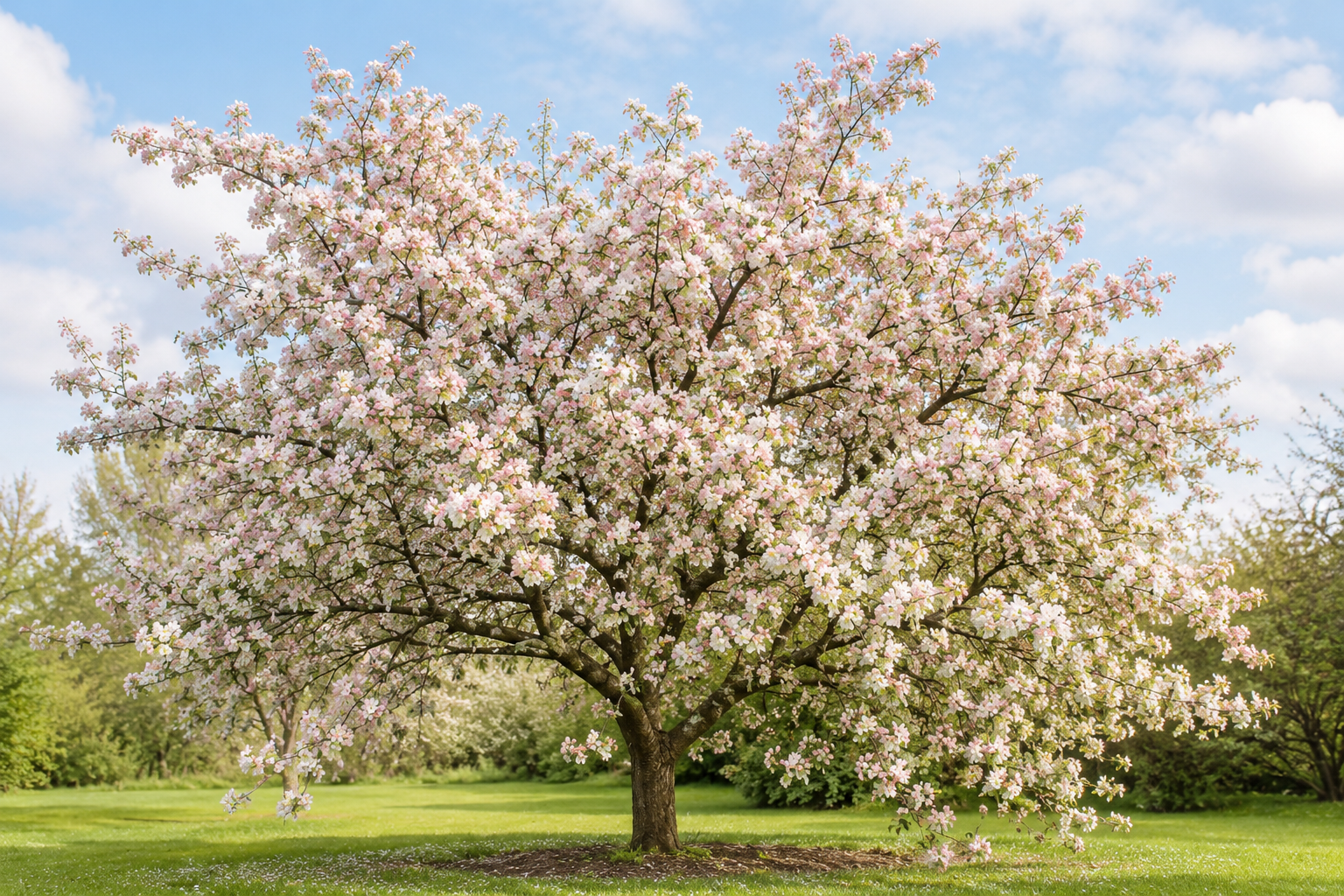
Sometimes legacy is even a book.
Where the Crabapple Blooms has become one of the ways Jan and I are carrying forward what life has taught us. We cannot change the losses that brought parts of this story into being, and we would never pretend those losses were somehow necessary in order to produce something beautiful. Grief does not need to be romanticized to become meaningful. What we can do is decide that pain will not be the only thing those experiences leave behind.
That distinction matters.
Finishing well does not require us to erase winter. It requires us to understand that winter is not the only season a life can hold.
There have been seasons in my life I did not choose. There have been endings that arrived before I was ready, questions that remained unanswered, and changes that required me to become someone I did not yet know how to be. Perhaps you know something about that too. Most women who have lived long enough carry at least one chapter they would have rewritten if life had handed them the pen.
Yet we still have a pen in our hand today.
We cannot rewrite what happened, but we can decide what happens next. We can determine what wisdom gets passed forward. We can choose what story deserves to be told. We can decide whether regret will remain regret or become instruction. We can repair what is still repairable and release what must be released. We can begin something at sixty, seventy, or eighty that our forty-year-old selves could never have created because they had not yet lived enough to understand it.
That is why I want women in the second half of life to hear this clearly: your greatest legacy may still be under construction.
You are not too late to tell the truth about your life. You are not too late to write the story. You are not too late to have the conversation your family needs. You are not too late to mentor someone, launch something meaningful, return to a dream, step into a new calling, or allow your own hard-earned wisdom to become a lantern for someone walking behind you.
The goal is not simply to reach the end of life with a collection of accomplishments. The deeper goal is to reach the end knowing we were faithful with what our lives taught us.
That is what finishing well means to me now.
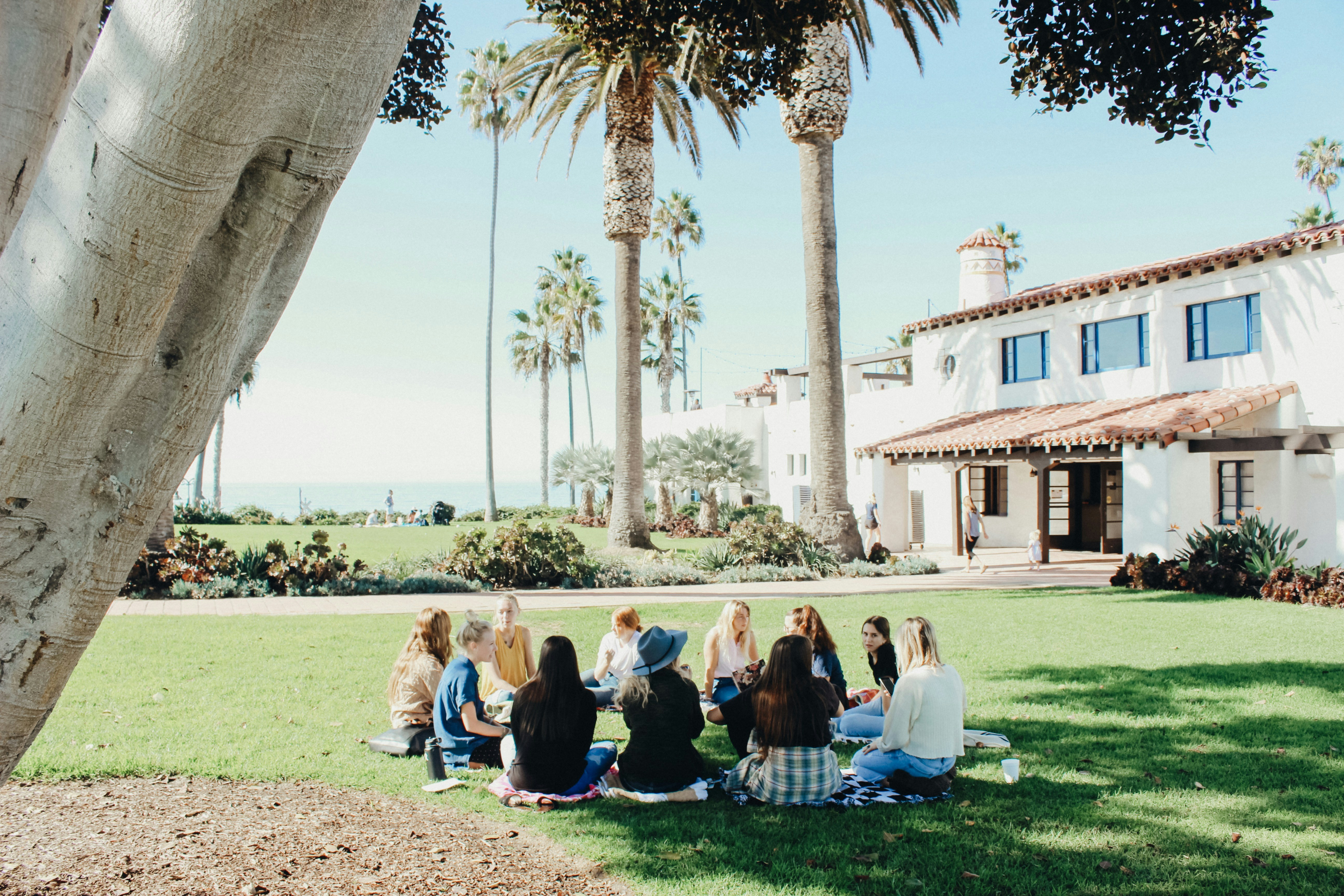
As Jan and I prepare to place Where the Crabapple Blooms into the hands of readers, I am increasingly aware that this book is not the closing of a chapter. It feels much more like the opening of a conversation. We want women to gather around these pages and talk honestly about grief, friendship, identity, family, love, purpose, and the courage it sometimes takes to bloom again after life has changed everything.
Perhaps that is part of your next chapter too. Perhaps reading the book will awaken a story you need to tell, a conversation you need to have, or a piece of your own legacy that deserves more attention.
If you would like information about how to receive a copy of Where the Crabapple Blooms, or if your book club, women’s organization, church, leadership group, conference, or community would like to invite Jan and me for an author conversation or speaking engagement, I would love for you to reach out.
There is still life to live, wisdom to preserve, love to give, and work worth doing. Finishing well does not mean slowly disappearing from the story. It means becoming increasingly intentional about what the story will leave behind.
And perhaps, just perhaps, some of the most important pages are still waiting for us to write them.