What the Crabapple Tree Taught Me About Leaving Something Behind
There are places from childhood that never really leave us. We may move away, build careers, raise families, travel roads we never imagined, and become people our younger selves could not yet recognize, but some places remain quietly rooted inside us. Frost Lane is one of those places for me. When I think about where I learned some of the earliest lessons about life, love, family, work, and belonging, I do not first think of a classroom. I think of the land. I think of rocky Arkansas soil, the sound of tools and animals and family voices, and the rhythm of people who understood that you tended what had been entrusted to you because that was simply what you did.
My grandfather, Fonie, whom everyone simply knew as Papa, taught me many of those lessons without ever standing in front of a chalkboard. There was work to be done, land to be cared for, animals to be tended, food to be grown, and family to be looked after. Nobody called it legacy. Nobody sat us down and announced that certain moments would one day become stories worth preserving. Life simply happened in front of us, season after season, and much of what mattered most was absorbed before we even had words for it. Long before we understood that we were being shaped, someone was showing us what responsibility looked like, how to stay when leaving would be easier, how to work when no one was watching, how to care for people who could not repay us, and how to keep faith with a place, a family, or a promise. Years later, we realize those lessons became part of who we are.
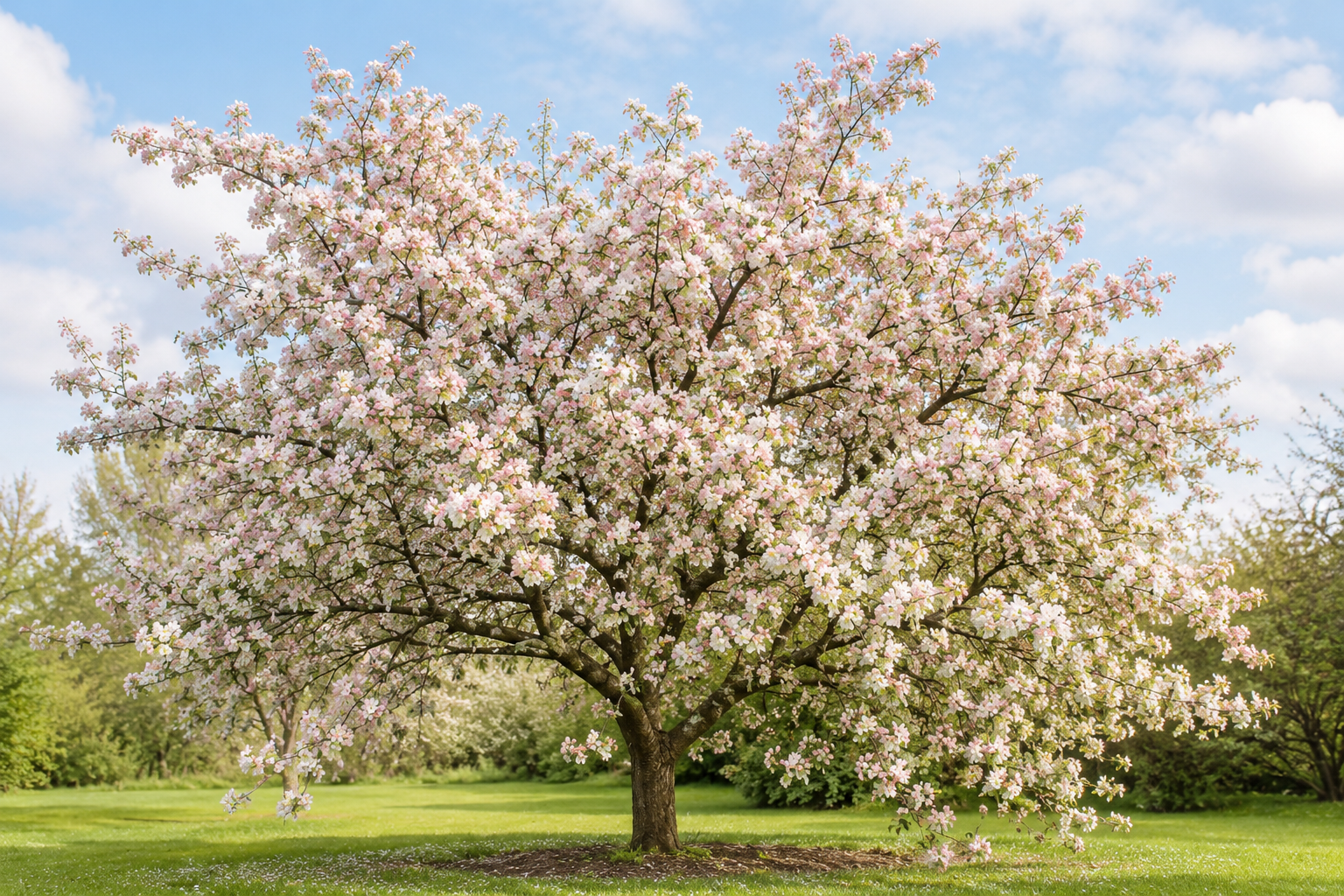
For me, one of the most enduring symbols of that truth is the crabapple tree. A tree may seem like an ordinary thing until it becomes attached to memory. Then it is no longer simply bark and branches. It becomes a witness. It becomes tied to voices, laughter, sorrow, weather, childhood, family, and the people who once stood nearby. The crabapple tree became that kind of witness for me, and as I grew older and experienced loss in ways I could never have imagined as a child, the memory of that tree began to carry more weight. I started to understand that some objects and places become containers for memory. They hold what our hearts are afraid of losing.
That became especially true after the loss of my brother, Dwayne. When someone you love becomes part of your past instead of your present, memory changes. You begin gathering pieces of them almost without realizing you are doing it. You remember the things they said, how they laughed, the places where they stood, and the moments that seemed ordinary when they happened but feel sacred later. You remember what they taught you without meaning to, and somewhere in that gathering, you begin to understand that grief and legacy are often close companions. Grief tells us something mattered deeply, and legacy asks us what we will do with what mattered.
That question has changed the course of my life. Dwayne’s life did not disappear when his life ended. His influence remained in me, in our family, in the people he taught, in the people he helped, and in the lessons he passed on simply through the way he lived. Yet I also began to realize that if those stories were not told, parts of him could slowly disappear. That thought became deeply personal because so many families have histories that live only in the memory of one or two people. Stories are repeated around a dinner table for years until one day the person who always told the story is no longer there. Then a generation passes, names fade, details become uncertain, and eventually a life that once felt enormous can become reduced to a few dates written on paper.
I do not want that for the people I have loved, and I do not want that for women who have spent their lives believing their own stories are too ordinary to matter. That is one of the reasons Where the Crabapple Blooms: The Braided Journey of Two Women Learning to Love, Grieve, and Bloom Again became so important to me. When Jan Reed and I began writing together, I do not think either of us fully understood what the book would become. We knew we were writing about loss. Jan carried the loss of her husband, Mickey, and I carried the loss of Dwayne. We knew we were writing about friendship, grief, and the ways life forces us into seasons we would never choose, but gradually the book became something more.
It became a place to preserve, remember, and honor. It became a place where people we loved could remain present through story, and somewhere along the way, the crabapple tree became more than a tree. It became a symbol of what life had been trying to teach us all along. Trees do not apologize for winter. They do not pretend storms never happened, and they do not become ashamed of broken branches, rough bark, or the seasons when nothing blooms. They simply remain rooted, and when the season allows it, they bloom again.
That image has stayed with me because I believe women need to hear it. Many women arrive in their later years carrying winters they rarely talk about. There may have been grief, divorce, disappointment, caregiving, betrayal, retirement, children leaving home, parents dying, businesses ending, dreams changing, or identities shifting. There may have been years when survival took everything they had, and then one day they look around and wonder whether their best years are behind them. I understand that feeling, but I also know something now that I did not know when I was walking Frost Lane as a girl. A tree is not finished because one season ends, and neither are we.
Legacy is not about freezing ourselves in the past. It is about carrying forward what is worth keeping. It is about deciding which lessons deserve another generation, honoring the people who shaped us without allowing grief to stop our own growth, and understanding that the life we have lived contains wisdom that could serve someone else. Sometimes that wisdom comes from success, sometimes from mistakes, sometimes from love, and sometimes from loss. The source matters less than what we choose to do with it.
I have come to believe that finishing well means becoming increasingly intentional about what we carry forward. We have to ask ourselves what stories need to be told, what names need to be remembered, what values need to be spoken aloud, what family history needs to be written down, what relationships still need tending, and what wisdom has lived inside us long enough. These are not questions reserved for the end of life. They are questions for now because legacy is not something we simply leave behind. It is something we actively shape while we are still here.
That is what Where the Crabapple Blooms has become for Jan and me. It is not only a book about what happened to us. It is a book about what we decided to do with what happened. We could not prevent the losses, change the winters, or restore the people we loved to the lives we once knew, but we could preserve, speak, write, remember, and allow those stories to become something that might help another woman find language for her own life. That, to me, is legacy.
As the book prepares for release at the end of October, I find myself thinking often about Frost Lane, Dwayne, the crabapple tree, and the strange way life circles back to teach us lessons we were too young to understand the first time. Perhaps that is one of the gifts of growing older. We begin to recognize that the things we once considered ordinary were never ordinary at all. They were forming us, preparing us, and becoming the stories we would one day be responsible for telling.
Jan and I hope Where the Crabapple Blooms becomes more than a book someone reads and places on a shelf. We hope it becomes a conversation about grief, love, friendship, identity, family, faith, and the courage to bloom again. If you would like information about receiving a copy of the book, inviting Jan and me to join your book club or women’s group, or bringing us in for a speaking conversation about grief, legacy, friendship, and what it means to begin again, I would love to hear from you.
Somewhere inside every woman is a Frost Lane of her own, filled with people who shaped her, places that formed her, losses that changed her, and stories waiting to be carried forward. The question is not whether those things mattered. The deeper question is whether we will preserve them before they are gone.