When the Apple Baskets Came Out
There was a certain feeling that came over Frost Lane when summer began to loosen its grip. The mornings turned cooler, the light softened across the fields, and the air carried that unmistakable promise that fall was on its way. Long before anyone needed a calendar to announce the season, we knew it by the land. The grass changed, the garden slowed, the trees began to shift, and eventually the apple baskets came out.
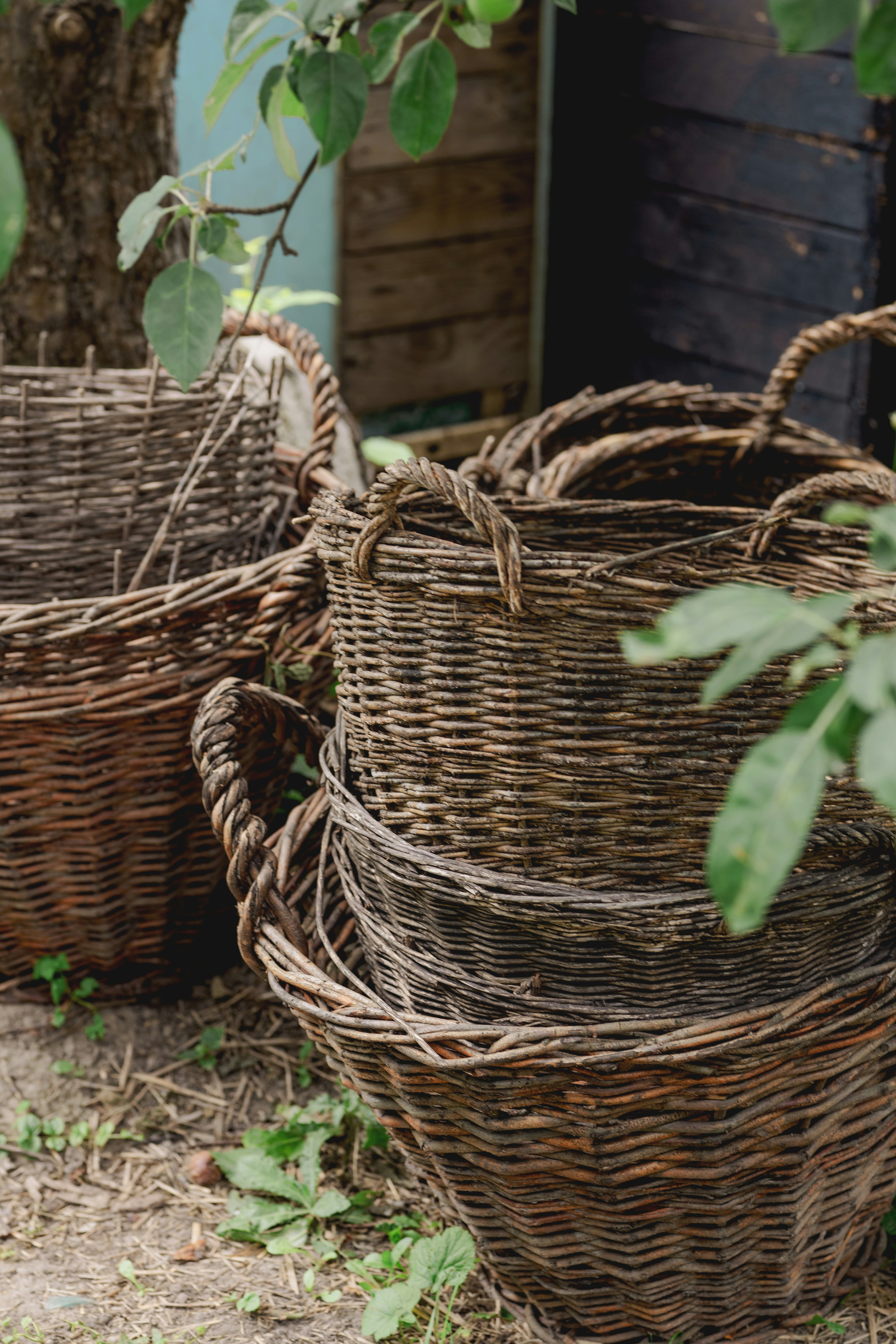
Those baskets were a sign that another season had arrived, but to me they meant more than gathering fruit. They meant family, work, laughter, and the familiar rhythm of a household shaped by the land. Apples were not something we bought neatly stacked and shining under grocery-store lights. They came with leaves attached, imperfect shapes, spots from weather, and the occasional bruise from falling before we could reach them. We did not expect perfection from what the earth gave us. We gathered what was good, trimmed what needed trimming, and used what we had.
I did not understand it then, but those days were teaching me something I would carry for the rest of my life. There is great wisdom in learning not to waste what is still good simply because it is not perfect.
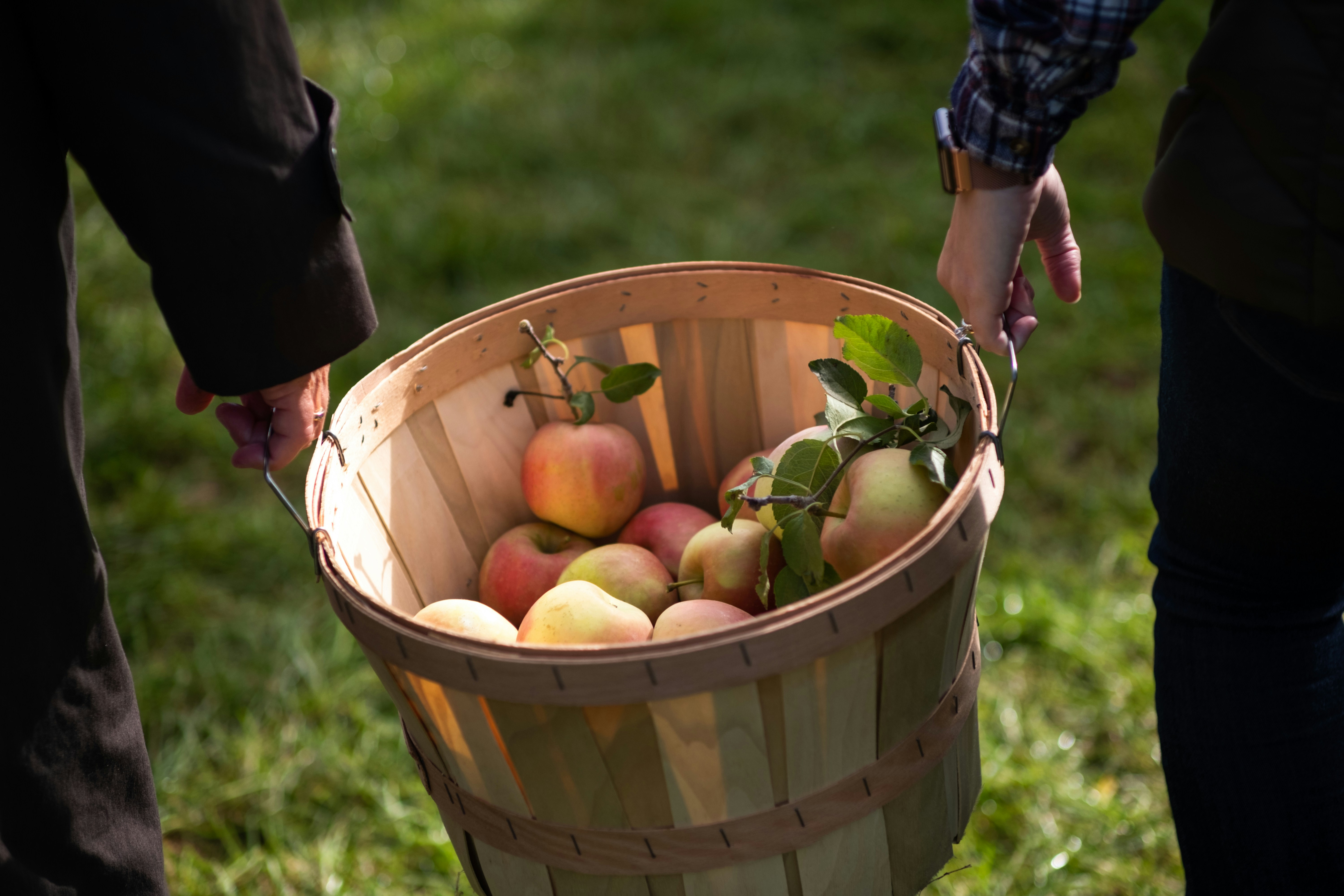
The apple tree at the end of the garden stood as part of the landscape of my childhood, as familiar to me as the house, the lane, and the voices of the people I loved. When the fruit was ready, there was work to be done, and on Frost Lane, work was rarely separated from family. Someone gathered, someone sorted, someone carried, and someone always seemed to know what ought to happen next.
Papa had a way of making work feel like part of the natural order of things. He never needed a speech about responsibility because his life was the speech. He tended what belonged to him. He respected the land. He worked until the job was finished, and in watching him, I learned that stewardship was not a grand idea reserved for important people. It was what you did with what God placed in your care.
Grannie carried that same wisdom into the house. Nothing good was wasted if she could help it. What came from the garden or orchard had a purpose, and there was always a sense that abundance carried responsibility with it. If you had enough, you preserved some. If there was extra, you shared. If someone needed something, you found a way to make room.
There was no language like “legacy planning” in those days, at least not in our home. There was simply the understanding that one generation taught the next how to live by letting them watch.
That kind of teaching is easy to underestimate because it does not arrive with certificates or formal lessons. It happens while hands are busy. It happens while apples are being sorted, meals are being prepared, fences are being repaired, and stories are being told around a kitchen table. The child standing nearby may not appear to be paying attention, but years later she discovers that the lesson has settled deeply into her bones.
I think that is why autumn still stirs something in me.
When I see apples gathered into a basket now, I do not simply see fruit. I see those earlier seasons of my life. I remember what it felt like to belong to a place where the land itself seemed to participate in raising us. I remember that life had seasons, that some were plentiful and others were lean, and that neither lasted forever.
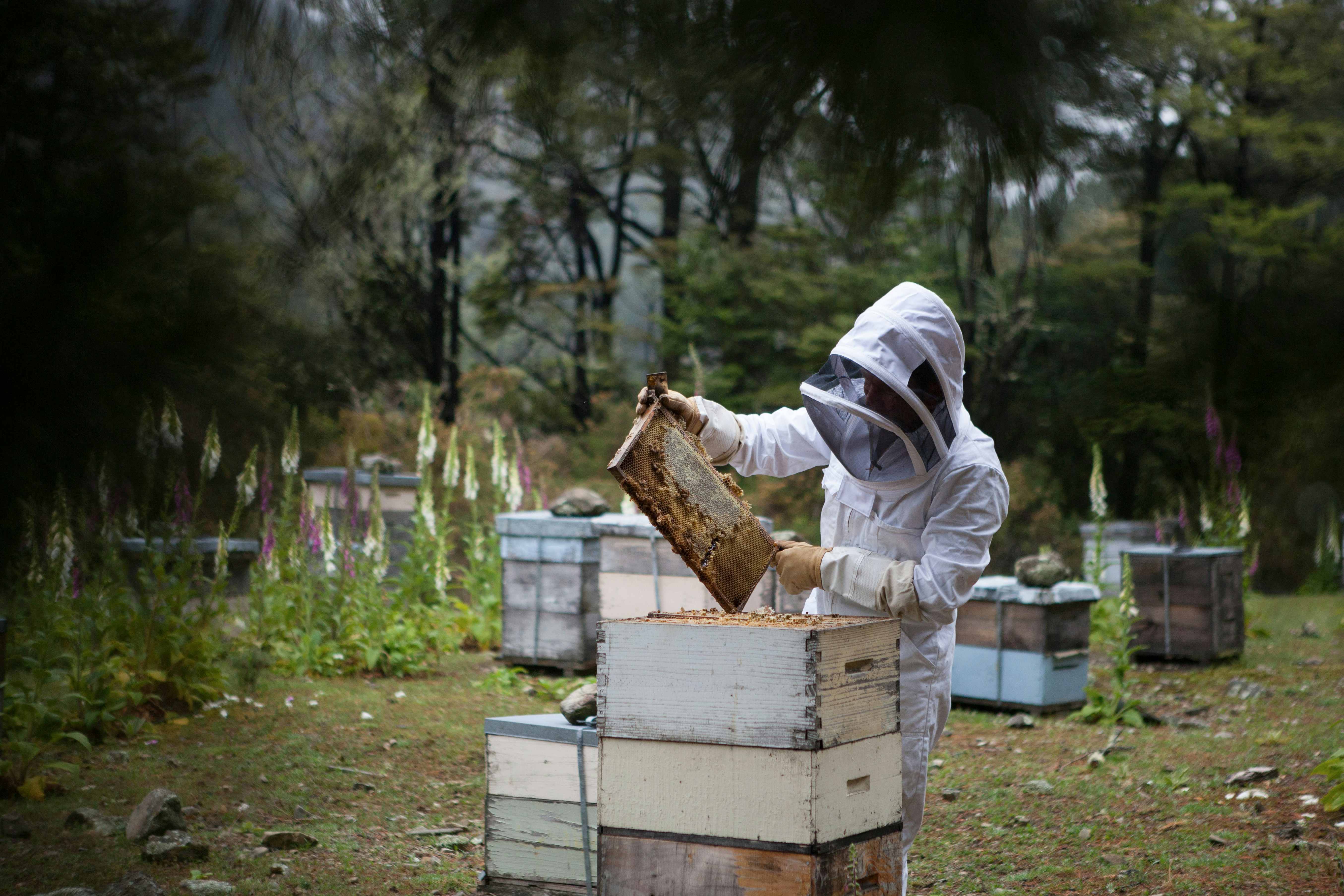
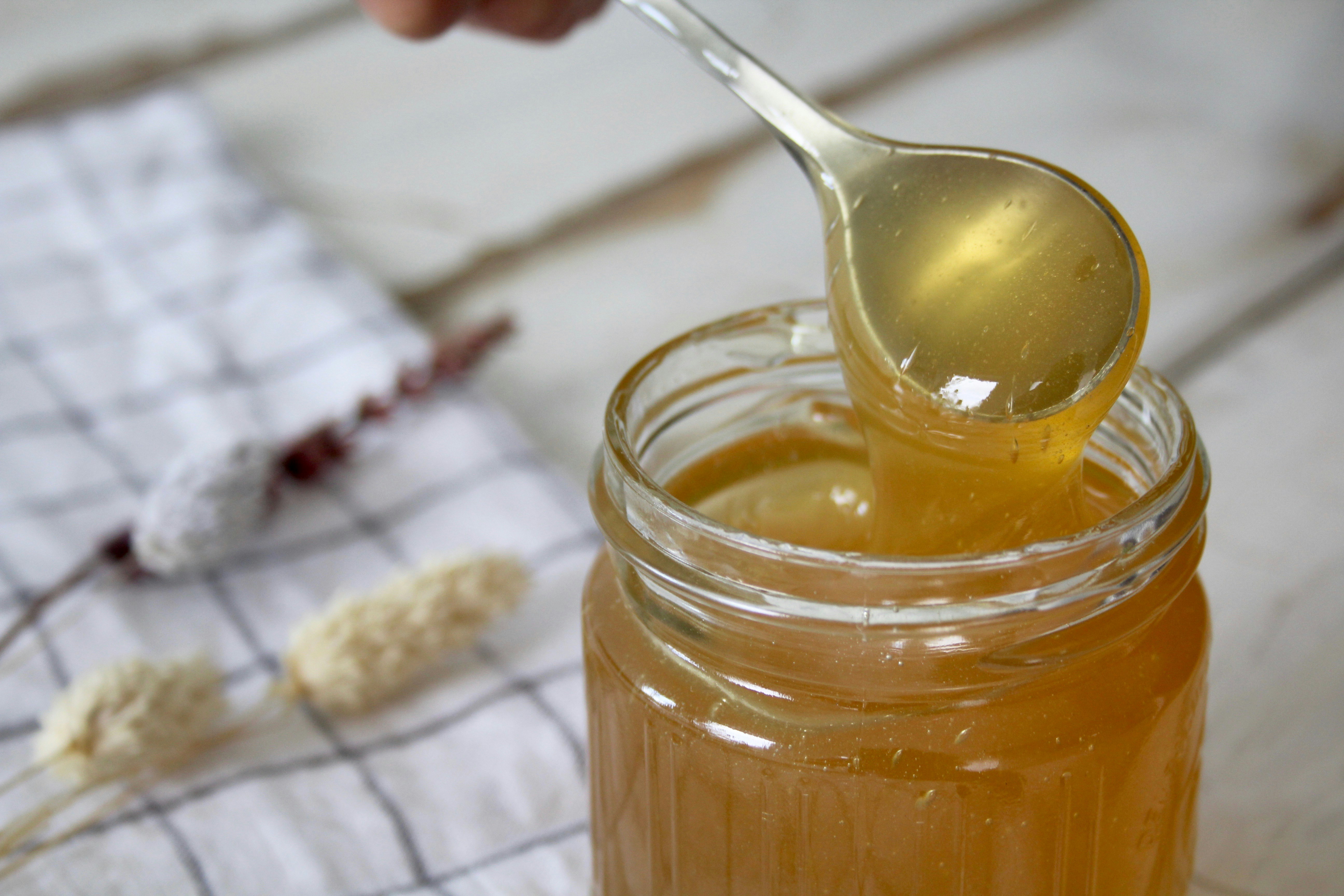
The honey of fall carried its own kind of sweetness. Honey was precious because it represented patience and gathering. No single flower produced the whole jar, and no single day created the sweetness. It happened little by little, from one bloom to another, until all those tiny acts of gathering became something substantial.
I understand that image differently now than I did as a girl.
A life is gathered much the same way.
We become who we are through thousands of small moments that seem insignificant at the time. A conversation at the supper table, a lesson from a grandfather, a prayer whispered by a grandmother, a correction we did not appreciate until years later, and the simple expectation that everyone contributed to the work of the family may not seem monumental when they happen. Yet those moments accumulate. Eventually, they become character, values, faith, and memory.
They become the honey in the jar.
As I have grown older, I have also come to appreciate the wisdom hidden in the sorting of the apples. Not every piece of fruit was the same. Some could be eaten immediately, some were better for cooking, some needed attention quickly, and some had to be discarded. You learned to look carefully rather than judge everything by the same standard.
Perhaps life asks us to do the same with our memories and experiences.
Some memories nourish us exactly as they are. Others need to be handled gently because they carry bruises. Some experiences become useful only after time has softened them enough for us to understand what they were trying to teach. There are also things we eventually realize we do not need to carry any farther.
The older I become, the more grateful I am that childhood gave me practice in gathering, sorting, preserving, and letting go.
Fall on Frost Lane was never only about the change in weather. It was about recognizing what another season had produced. It was about receiving what the land had given and then deciding what to do with it. In many ways, that is exactly what I find myself doing in this season of my own life.
I am gathering stories now instead of apples.
I am preserving memories instead of jars.
I am sorting through lessons that took decades to understand, and I am asking which ones belong in the hands of my children, grandchildren, readers, students, and the women I have been called to serve.
That may be what harvest has always been about.
We gather not simply so we can keep.
We gather so something good will not be lost.
When the apple baskets came out on Frost Lane, I had no idea those ordinary autumn days were becoming part of the inheritance I would one day pass along. I only knew that fall had come, there was work to do, and the people I loved were nearby.
Today, I know there was far more happening than any of us could see.
A little girl was learning how to tend what mattered, appreciate what she had been given, preserve what was worth keeping, and share the abundance with someone else.
All these years later, the apple baskets are still teaching me.