Apples, Honey, and the Women Who Taught Us to Gather
Some of the most important lessons of my life were never taught in a classroom. They came through kitchens, gardens, porches, and the steady hands of women who knew how to make something meaningful out of what was available. They knew how to gather apples before they bruised, how to make a jar of honey last, how to stretch a meal, preserve what mattered, and place enough aside for someone who might need it later.
There was wisdom in the way they worked, though they rarely called it wisdom. It looked like habit, responsibility, and the quiet rhythm of doing what needed to be done. It looked like standing at a kitchen counter with sleeves rolled up, moving through a familiar process that had been handed down long before anyone thought to write it out. Their knowledge lived in muscle memory, in recipes without measurements, and in the understanding that a household was built not only by what was earned, but by what was tended.
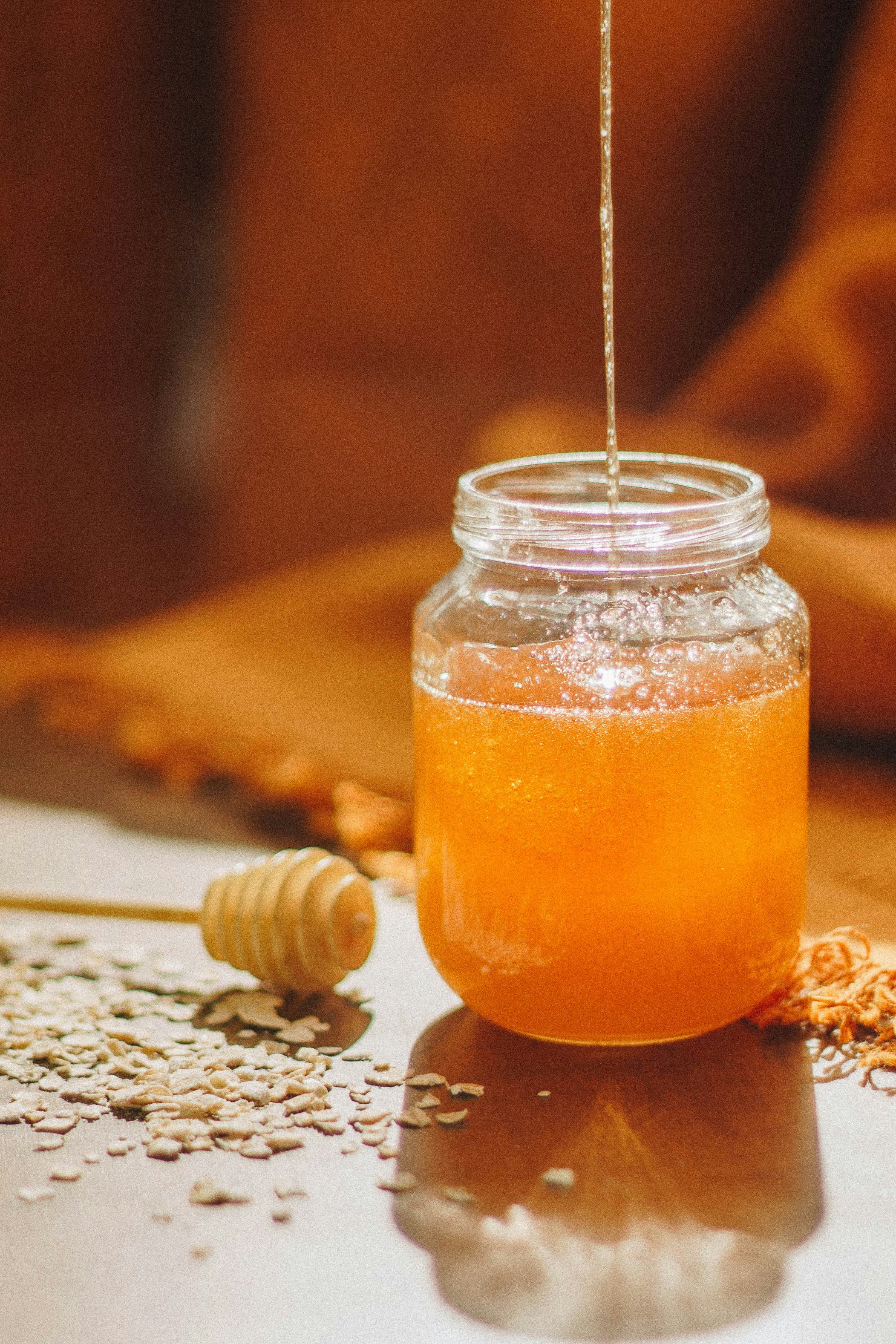
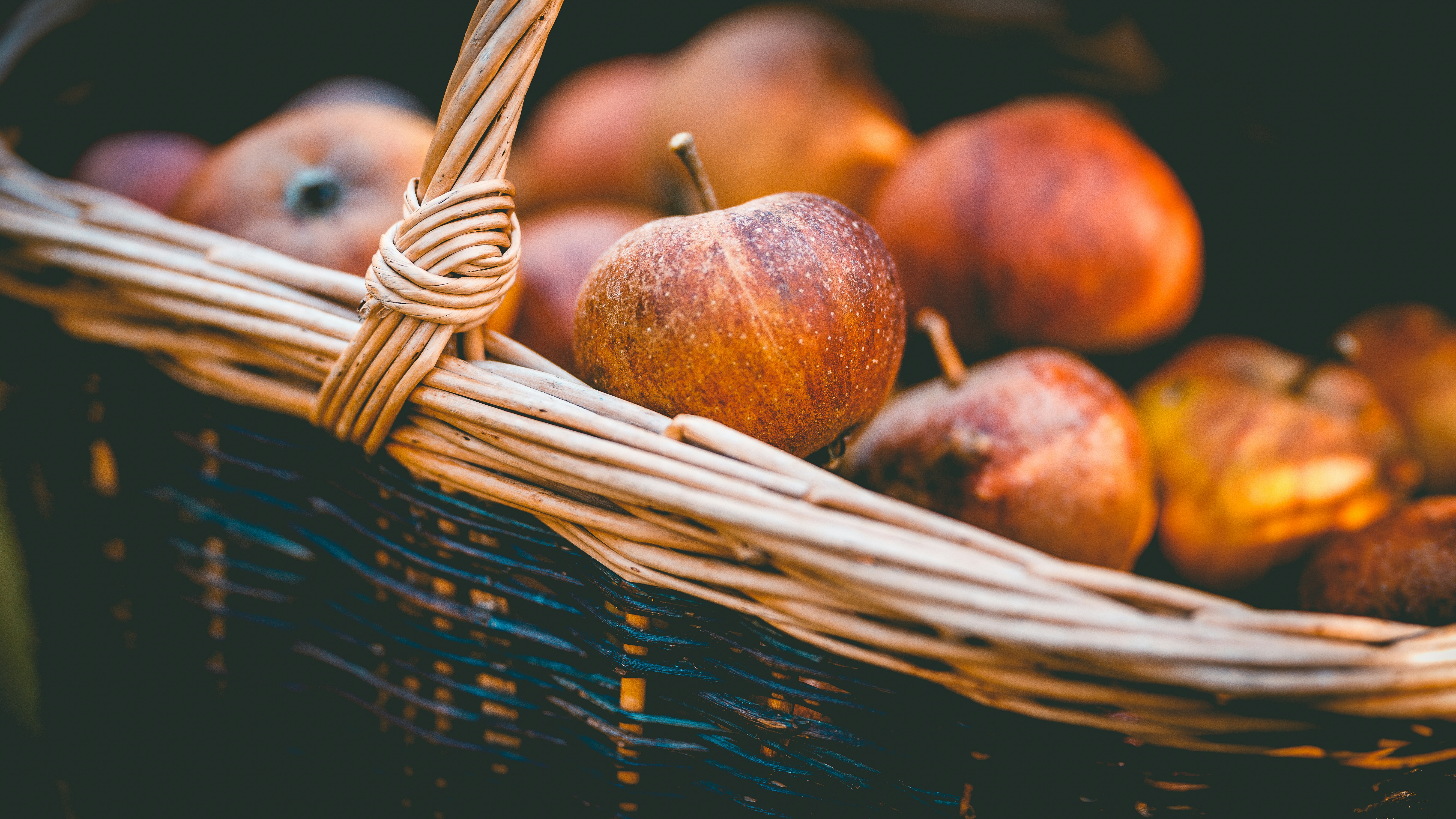
Autumn always brings those women back to me. The first cool mornings seem to carry their voices. A basket of apples can do it. So can the smell of something warm simmering on the stove, the sight of golden honey catching the light, or the sound of leaves gathering along the edge of the yard. Fall has always felt like a season of remembering because it asks us to notice what has been grown, what has been gathered, and what must be preserved before another season arrives.
The women who came before us understood preservation in ways that reached far beyond food. They preserved family stories in conversation, faith in prayers spoken over children and grandchildren, and belonging through Sunday dinners, holiday traditions, handwritten recipes, quilts, photographs, and the simple expectation that family would find its way back to the table. Much of what they carried was never named as legacy, but that is exactly what it was.
Legacy has often been presented as something formal, something connected to wills, inheritance, family names, or property. Those things matter, but they are only part of the story. A family also inherits tone, habits, the way people speak to one another, the way conflict is handled, the way generosity is practiced, and the way hard seasons are endured. We inherit what people repeat, and that can be beautiful, but it can also require discernment.
Some of the women before us taught us strength, endurance, faithfulness, and resourcefulness. They showed us how to keep moving when life was not gentle and taught us that a woman could create warmth even when circumstances were hard. They taught us how to stretch what we had, care for those we loved, and remain steady when someone else needed us to be. At the same time, some of them also carried burdens in silence because that was what their generation knew. Some accepted exhaustion as normal. Some believed asking for help was weakness. Some kept pain hidden because protecting the family image mattered more than telling the truth about what hurt.
When we honor the women who came before us, we do not have to pretend that everything they handed down should remain untouched. Love can be grateful and discerning at the same time. We can keep the courage and release the silence. We can preserve the faith and let go of the fear. We can honor the loyalty while choosing healthier boundaries. We can treasure the traditions while admitting that some patterns need to end with us.
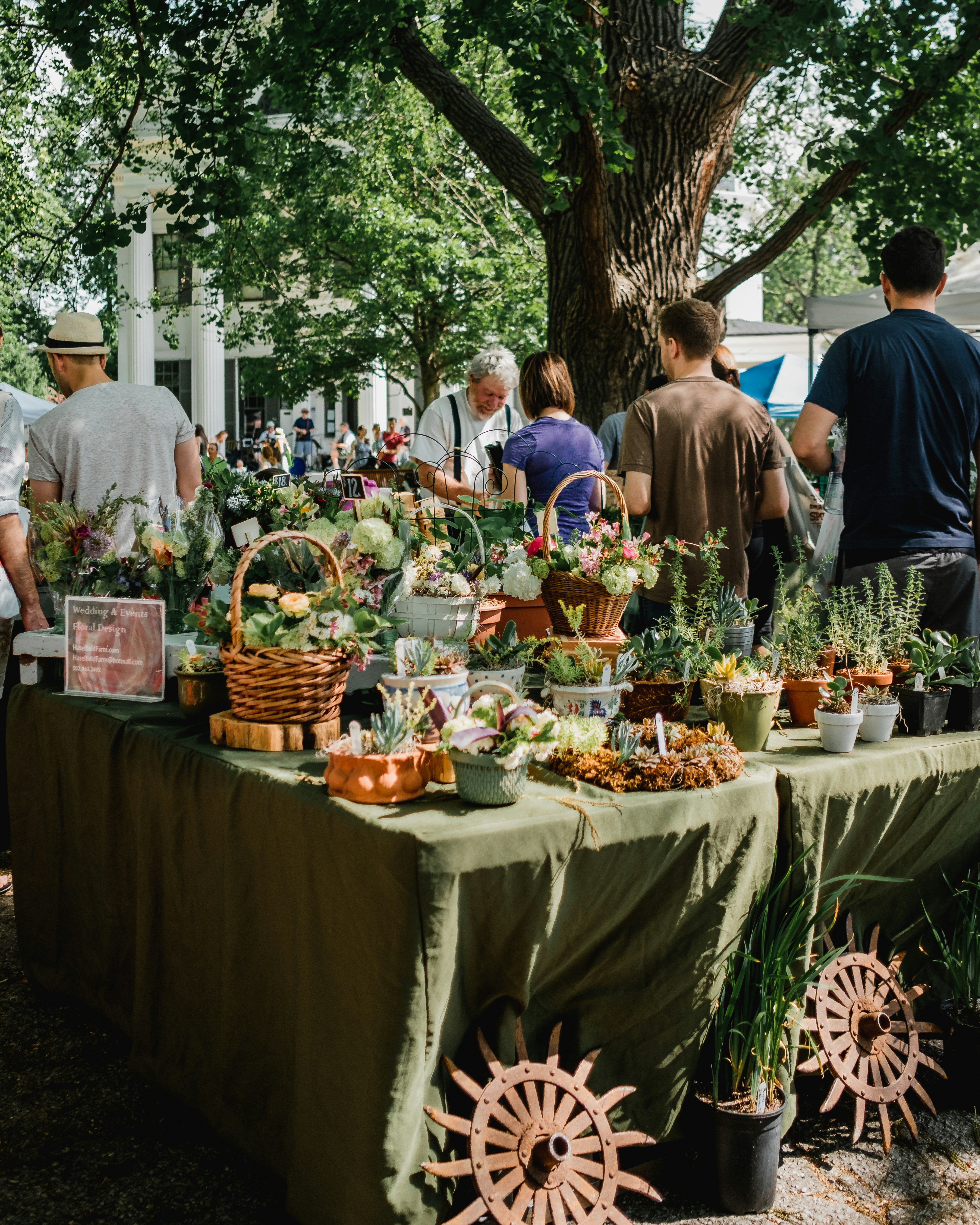
That is part of gathering too. When fruit is harvested, it is sorted. Some is eaten fresh, some is preserved, some becomes a pie or a jar of sauce, some is shared with neighbors, and some may not be usable at all. The point is not to keep everything simply because it grew on the tree. The point is to pay attention to what is good, what is useful, what nourishes, and what should be released.
I believe women are often called to do the same work with family legacy. We gather the stories, but we also ask what they mean. We preserve the recipes, but we also preserve the women behind them. We remember what they survived, what they valued, and what they hoped would be different for us. We look at what they gave us with gratitude, and then we decide what we want to carry into the next generation.
That decision is sacred work because the small things disappear so quickly when no one writes them down or speaks them aloud. We tend to believe that everyone will remember what we remember, but they will not. The next generation may know the name of a grandmother and still know nothing about the courage it took for her to raise a family through a difficult season. They may inherit a recipe card without understanding why that particular dish showed up at every holiday. They may see an old photograph and never know the story behind the woman standing in the back row.
This is why I believe we must become gatherers of more than things. We must gather stories, sayings, lessons, recipes, photographs, prayers, and memories. We must gather the names of people who mattered before those names become only writing on the back of a picture no one can identify. We must gather the wisdom hidden inside ordinary lives.
There is sweetness in that work, much like honey. Honey does not come from one grand moment. It is gathered little by little, bloom by bloom, trip by trip. So much of a family’s wisdom is built the same way. A sentence said at the right time, a tradition repeated year after year, a lesson learned by watching rather than being told, and a truth that becomes clear only after we are old enough to understand what the woman before us was trying to teach.
When I think about apples and honey, I think about abundance, but I also think about care. Neither one appears without tending. Both require patience, and both remind us that what becomes sweet in one season was gathered slowly over time. Our family stories deserve the same care.
This fall, I hope you will take a little time to remember the women who taught you how to gather. Perhaps it was your mother, grandmother, aunt, teacher, neighbor, or another woman whose life quietly shaped yours. Think about what she taught you that was never written down. Think about what she knew how to do, what she believed, what she endured, and what she passed into your life without ever calling it legacy.
Then ask yourself what deserves to be carried forward. Maybe it is a recipe, a prayer, a story your grandchildren have never heard, the way she welcomed people into her home, the way she saved for hard times, or the way she always seemed to find something to give away even when there was not much to spare. Whatever it is, gather it now. Preserve what nourishes, name what matters, and when the time is right, place it gently into the hands of someone who comes after you.
That is how wisdom survives, and that is how women continue speaking long after their voices have grown quiet.